Historic Vs New Construction In Hillsborough
January 15, 2026
January 15, 2026
Torn between a 1910 charmer near downtown and a brand‑new build with every modern perk? You are not alone. In Hillsborough’s 27278 ZIP, you can choose history on tree‑lined streets or convenience in newer neighborhoods, and both paths come with tradeoffs. In this guide, you will learn how maintenance, energy costs, inspections, warranties, HOAs, approvals, and long‑term value compare so you can decide with confidence. Let’s dive in.
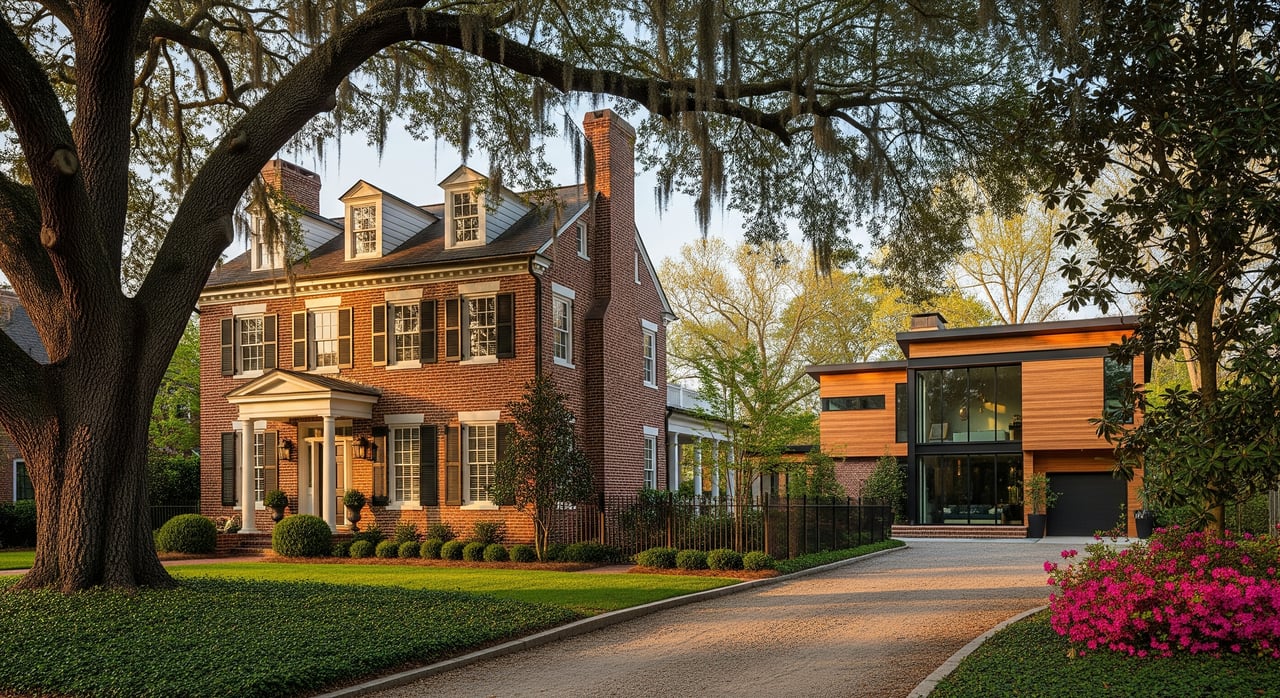
Hillsborough blends an established downtown historic district with newer subdivisions on the outskirts. Historic homes are concentrated in older neighborhoods and are limited by preservation rules, which helps protect the area’s character. New construction generally appears in peripheral subdivisions and as small infill projects, offering modern layouts and lower near‑term maintenance.
If you are drawn to architecture, proximity to shops, and walkability, a historic home near downtown may feel right. If you want efficient systems, open floor plans, and fewer repairs in the first decade, a new build may be the better fit. For an overview of boundaries and design review, read the Town of Hillsborough historic district guidance on the Town of Hillsborough website.
Older homes often need focused care over time. Common items include aging roofs, original plumbing or cast‑iron pipes, outdated electrical panels or wiring, foundation settling, and restoration of historic windows and trim. Exterior wood siding, porches, and older finishes usually need regular painting, caulking, and moisture control.
Because work may call for period‑appropriate materials and skilled trades, costs can run higher and timelines longer than standard replacements. Hillsborough’s humid subtropical climate adds risk for moisture intrusion, wood rot, and mold if ventilation or grading is not right. Subterranean termites are a regional concern, so plan for ongoing pest inspections and prevention.
Practical tips:
New homes usually mean fewer major repairs in the first 5 to 10 years. Expect punch‑list items, minor HVAC balancing, and landscape establishment. Replacement cycles for roofs and mechanicals start later, though quality varies by builder. Even with new construction, grading and drainage deserve close attention in our climate.
Practical tips:
Many historic houses start with thin insulation, single‑pane windows, and older HVAC. You can often make meaningful improvements through air sealing, attic and targeted wall insulation, right‑sized high‑efficiency HVAC, water‑heater upgrades, and careful window repair with weatherstripping. In a designated district, exterior changes must respect the original look, so plan upgrades that align with preservation guidelines.
For practical how‑tos and principles, explore the National Park Service’s Technical Preservation Services, which outlines compatible upgrades in historic buildings. For planning payback and prioritizing improvements, the U.S. Department of Energy’s Energy Saver guidance is a helpful reference.
Newer homes are typically built to current energy codes with tighter envelopes, modern insulation, and efficient mechanicals. If a home carries a performance label such as ENERGY STAR Certified New Homes, you can expect lower utility bills and better comfort from the start.
Federal credits can help with heat pumps, insulation, and other efficiency upgrades. The NC Clean Energy Technology Center tracks statewide programs and utility rebates; check their site for current offerings and contractor resources: NC Clean Energy Technology Center.
Always order a comprehensive home inspection, whether historic or new. For older homes, add specialized checks for electrical capacity and wiring type, plumbing materials, chimney and masonry condition, HVAC capacity, moisture and ventilation, and pest or termite activity. If you plan to renovate, test for lead‑based paint in pre‑1978 homes and consider asbestos assessments where relevant. The American Society of Home Inspectors outlines inspection scope and best practices.
For new construction, do not skip inspections. Independent pre‑closing inspections and phase inspections during construction can catch issues with framing, sealing, grading, or mechanicals. Verify code compliance and the certificate of occupancy before closing.
Federal law requires lead‑paint disclosure for pre‑1978 housing. If you renovate a pre‑1978 home, the EPA’s lead resources and RRP information explain safe practices and contractor certification. In Hillsborough’s local historic district, exterior alterations usually need a design review or a Certificate of Appropriateness. Factor review timelines into your project plan, and coordinate early to avoid delays.
Historic homes with older roofs, wiring, or outdated systems can trigger lender conditions or insurance underwriting requirements. Plan time and budget to complete any required repairs before closing. For new builds, some builders coordinate construction financing or work with lenders on construction‑to‑permanent loans. For a plain‑English overview of construction loans, visit the Consumer Financial Protection Bureau.
Builders commonly offer limited warranties that cover workmanship and materials in the first year, key systems for about two years, and structural components for up to ten years. Exact terms vary by builder, and some use third‑party administrators. Read the warranty, confirm the claims process, and ask about transferability if you plan to sell within the coverage period. The North Carolina Home Builders Association provides general guidance on builder standards and consumer expectations.
Resale homes are typically sold without a builder warranty. Many buyers choose a third‑party home‑warranty plan to cover unexpected mechanical failures in the first year. If prior renovations were done, ask for proof of permits and any contractor warranties.
Newer subdivisions in 27278 are more likely to have HOAs that set design rules, fees, and use restrictions. In the historic district, you will follow local design review for exterior changes rather than HOA bylaws. In both cases, request rules and budgets early, and review for things like exterior modification limits, rental rules, and potential assessments.
Historic homes often draw value from their architecture, proximity to downtown, and scarcity. Historic designation can help stabilize or support values in many places, and national studies summarized by the National Park Service’s Technical Preservation Services generally find neutral to positive effects, with outcomes varying by locality and property condition.
New construction tends to appreciate with neighborhood maturity, amenities, and builder reputation. In areas with steady development, early resale appreciation can be modest if many similar homes are available, then strengthen as landscaping matures and nearby services open.
Local factors in Hillsborough matter. Walkability to downtown, commuting patterns across the Triangle, and local school assignments can influence demand. For current price trends or appreciation by neighborhood, lean on MLS data and county records. Your agent can assemble an apples‑to‑apples comparison of historic‑district homes versus newer subdivisions over the last 5 to 10 years.
Buying in 27278 is about fit. You want the right house, in the right place, at the right risk and cost. With two decades of local experience, we help you weigh character and convenience with clear numbers, a smart inspection strategy, and on‑the‑ground context from Hillsborough’s historic streets to its growing neighborhoods.
If you are considering new construction, we negotiate with builders, review warranties and punch lists, and track timelines so you close smoothly. If a historic home calls your name, we plan inspections, discuss likely maintenance, and map an upgrade plan that respects the property and your budget. Ready to talk through your options? Reach out to Pat Dillon Real Estate to schedule your consultation.

Schedule your free 30 minute consultation with Pat to learn more about the buying and selling process and how to get started!

PAT DILLON REAL ESTATE
(919) 368-4068
[email protected]
704 Slash Pine Dr
Cary NC 27519
308 W Main St Ste A
Durham NC 27701
Hours
8 AM - 6 PM