Trying to choose between the energy of Downtown Durham and the space and convenience around Southpoint? You are not alone. Each area offers a different daily rhythm, commute experience, and long-term value. In this guide, you will learn how they compare across housing, lifestyle, transit, schools, safety, and resale, plus a simple scoring tool, a buyer checklist, and touring plans you can use this weekend. Let’s dive in.
Quick area snapshots
Downtown Durham at a glance
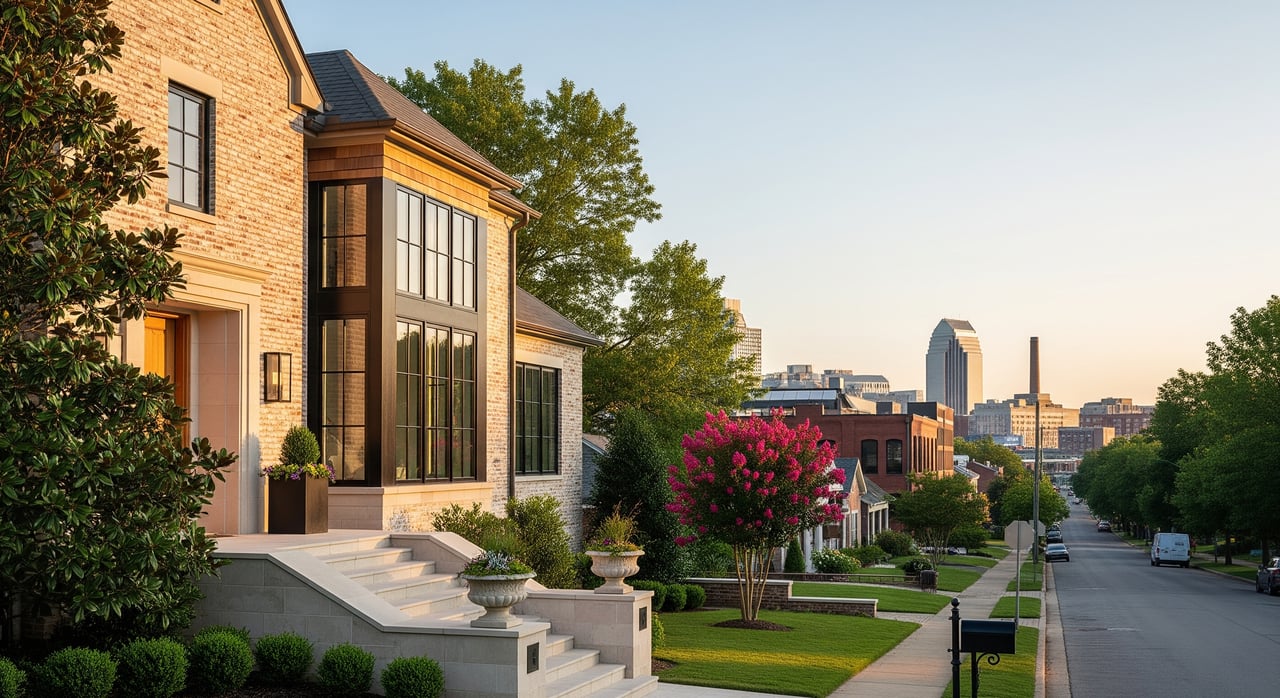
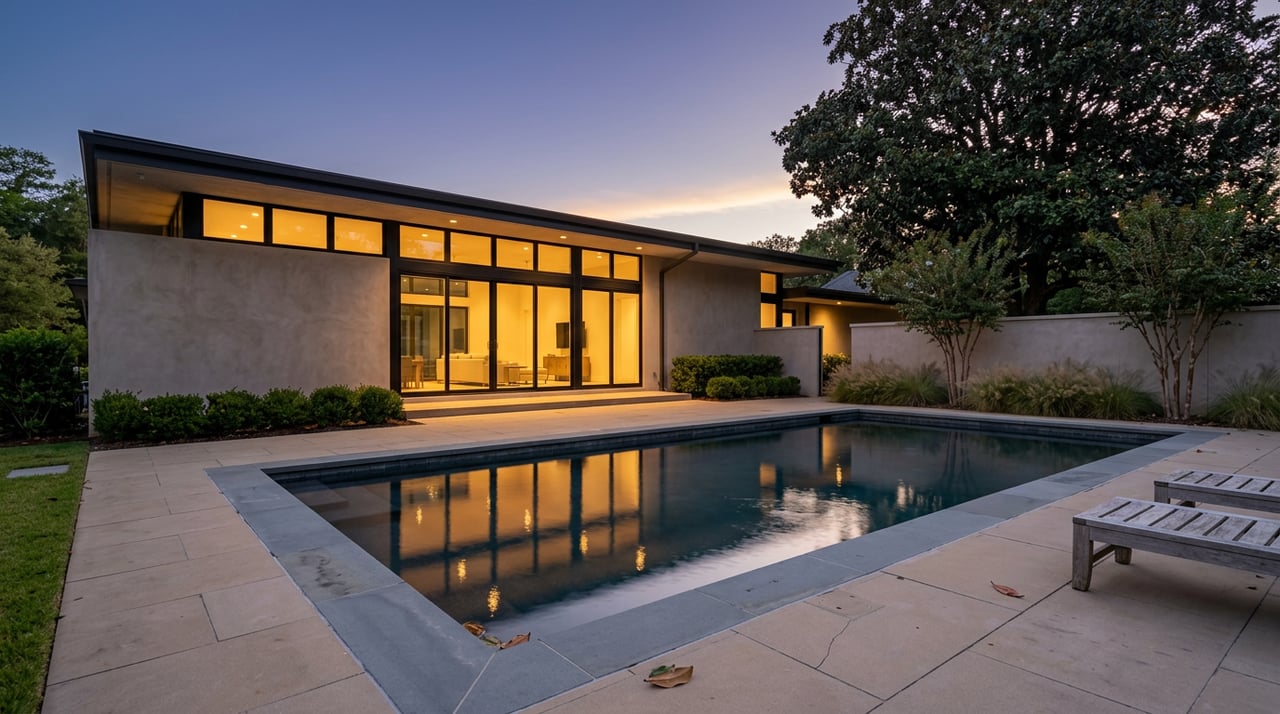
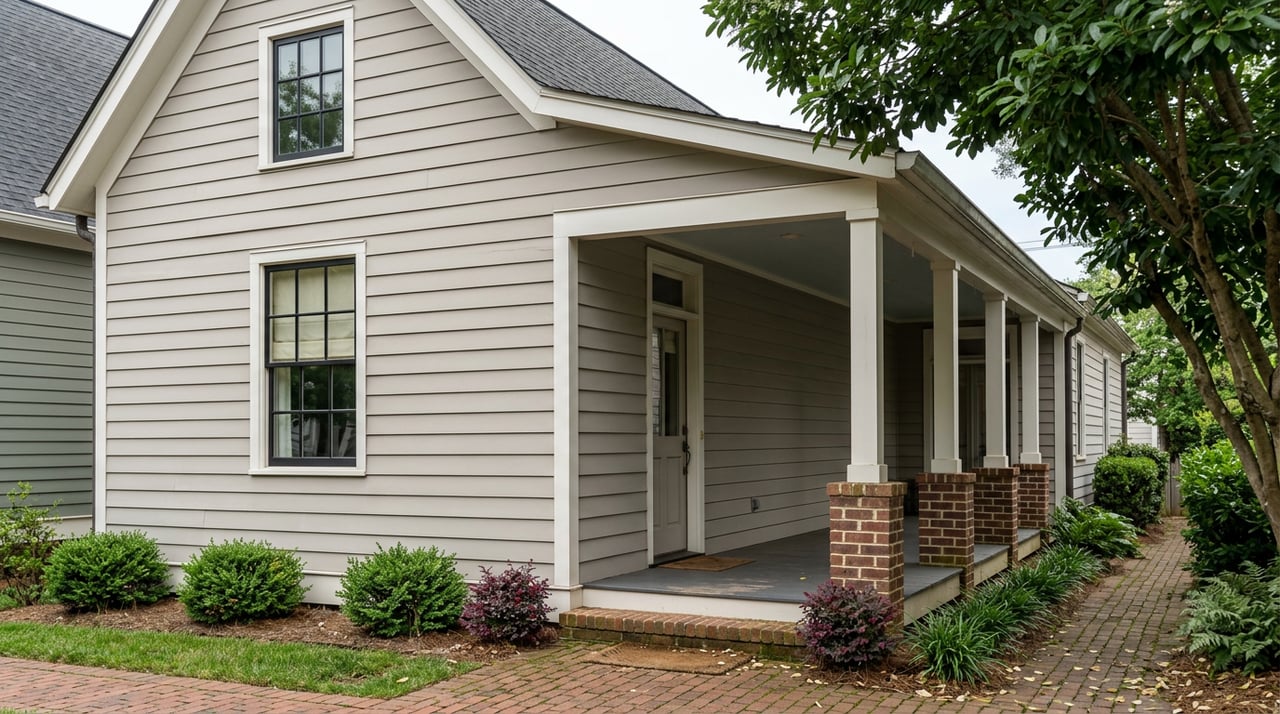
Downtown is Durham’s urban core, including the American Tobacco and Brightleaf districts, the Durham Bulls area, and nearby historic streets. You will find a walkable mix of restaurants, breweries, arts and entertainment, and a growing set of mixed-use buildings. Housing leans toward condos, lofts, infill townhomes, and historic single-family homes on smaller lots.
Expect a lively environment with more evening activity, limited private outdoor space, and parking that can vary by building. The tradeoff is strong walkability and close access to central employers and cultural venues.
Southpoint at a glance
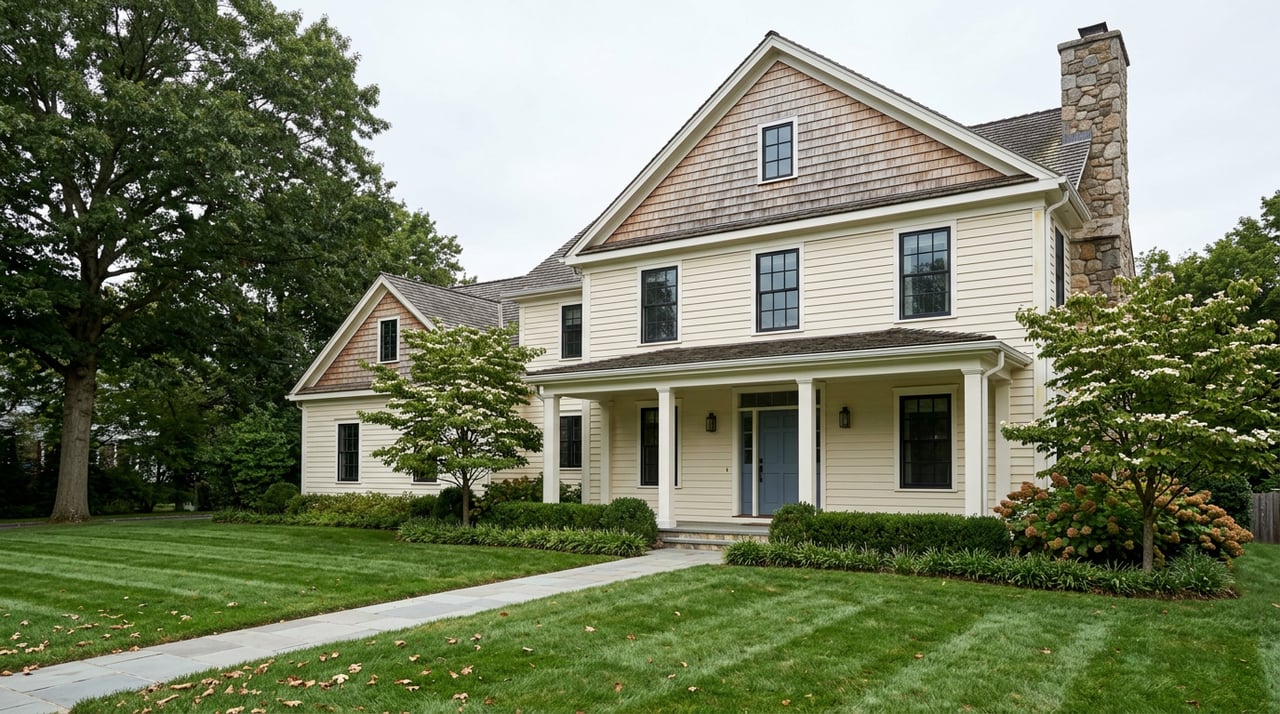
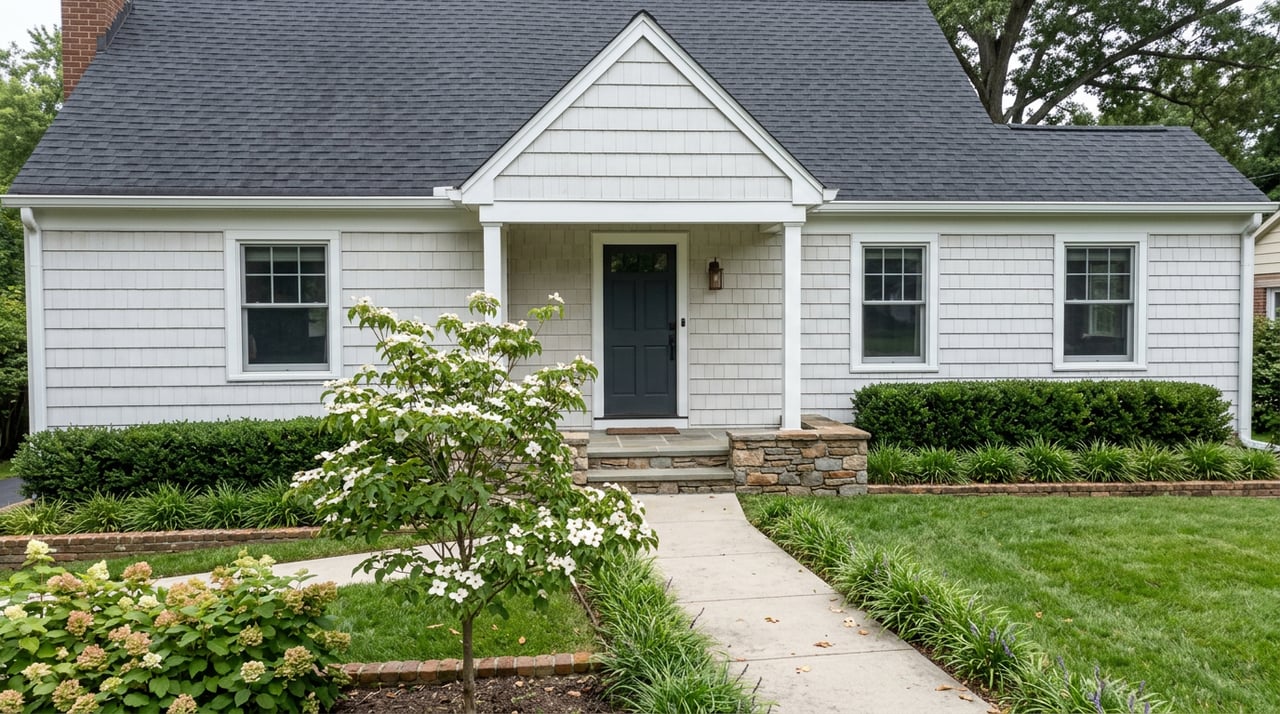
Southpoint centers on the Streets at Southpoint and nearby shopping and office nodes along Fayetteville Road and Southpoint Boulevard, close to I-40. The character is suburban, auto-oriented, and convenient for errands and commuting by car. Housing favors newer single-family subdivisions, townhomes, and garden-style apartments.
Expect easier surface parking, larger yards, and quick highway access. The tradeoff is that most errands and entertainment require driving, and nightlife is less concentrated.
Housing types and inventory
Downtown housing patterns
- Predominant types include condos and lofts from adaptive reuse projects, historic single-family homes, and infill townhomes.
- Inventory is limited because land is constrained in the walkable core. New supply often comes from conversions or boutique infill.
- Typical buyers include professionals, empty nesters, and investors who value walkability and access to dining and entertainment.
Southpoint housing patterns
- Predominant types include newer single-family homes on medium-sized lots, townhomes, and apartment communities near retail.
- Inventory is generally deeper, with more frequent new-build options and steady resale activity.
- Typical buyers include households seeking space, garages, and yard access, and commuters who prioritize highway proximity.
Lifestyle and amenities
Downtown strengths and tradeoffs
- Strengths: Concentrated dining and breweries, cultural venues like the Durham Performing Arts Center, live music, and historic architecture.
- Everyday life: Walkable options for coffee, dinner, and events; a short in-city commute to downtown employers.
- Tradeoffs: Limited private outdoor space, potential evening noise and activity, and building-by-building parking constraints.
Southpoint strengths and tradeoffs
- Strengths: One-stop retail and services, family-oriented amenities in nearby subdivisions, and straightforward surface parking.
- Everyday life: Easy access to grocery, health services, and the mall; practical for multi-stop errands by car.
- Tradeoffs: Less nightlife density and more driving for entertainment.
Commute and transit
Downtown commute outlook
- Strong for in-city commuting and non-driving options, with central bus connections and access to regional routes.
- Good for those working in central Durham or near Duke-adjacent areas.
- For RTP and I-40 corridor jobs, expect more cross-town driving or a combination of arterials and highways, with commute times varying by route and peak traffic.
Southpoint commute outlook
- Optimized for drivers with fast access to I-40 and other arterials.
- Often favorable for RTP, I-40 corridor jobs, and regional commuting by car.
- Commutes to central Durham or Duke can take longer at peak times due to congestion on major corridors.
Schools and family services
Both areas fall within Durham Public Schools. Assignments vary by exact address, so you should verify school boundaries directly with the district. Proximity to private and charter options also varies. For many families, Southpoint offers larger yards, nearby parks within subdivisions, and easier access to day-to-day childcare and services. Downtown families often trade yard size for walkability to parks, libraries, and cultural activities.
Use district boundary tools and official school performance data to confirm assignments and compare programs. Because assignments and offerings can change, verify details before making an offer.
Safety and due diligence
Perceptions of safety can differ by block and time of day. Downtown areas with nightlife and density can experience more property crime, while suburban patterns near Southpoint often report different incident types. The most reliable approach is to check crime mapping tools for specific addresses, review block-level reports, and visit at different times, including evenings and weekends. That real-world perspective will help you assess noise, foot traffic, and your personal comfort level.
Resale and investment outlook
Resale drivers
- Downtown: Walkability, proximity to entertainment and transit, and historic character support demand for well-priced condos, lofts, and historic homes.
- Southpoint: Convenience, family-friendly lot sizes, and retail access attract steady owner-occupier demand.
Appreciation and volatility
- Downtown often commands higher price per square foot due to location and limited supply. It can be more sensitive to shifts in the rental market, short-term rental rules, and the pace of new condo supply.
- Southpoint’s single-family values can be steadier, tied to school zones and commuter convenience. Periods of heavier new construction may temporarily increase supply.
Rentals and HOA considerations
- Downtown: Strong rental demand from professionals and students. Always check city rules, HOA restrictions, and building policies on short-term rentals and minimum lease terms.
- Southpoint: Solid long-term rental profiles for family tenants, with potentially lower turnover in some neighborhoods.
- HOAs: Downtown condos typically have higher monthly fees that cover amenities and building maintenance. Southpoint single-family neighborhoods may have lower association dues but higher responsibility for exterior maintenance.
Planning and future development
- Downtown continues to see infill and mixed-use projects, which support long-term demand but can shift street-level character.
- Southpoint corridors may experience retail redevelopment and additional residential subdivisions, which can influence traffic and neighborhood composition.
- For either area, review city planning maps and any nearby rezoning cases to understand what is coming.
Decision framework: score what matters
You can make a confident choice by weighting your priorities, then scoring each area. Try this simple model:
- Suggested weights: commute 30%, housing fit 20%, lifestyle 20%, schools 15%, resale 15%.
- Score Downtown and Southpoint from 1 to 5 for each category, multiply by the weight, and add up the totals.
Example profiles:
- Urban professional: You might score Downtown higher for walkability, nightlife, and in-city commutes.
- Family commuter to RTP: You might score Southpoint higher for yard space, newer construction, and highway access.
- Investor: Compare rental demand, HOA restrictions, and cash flow. Downtown can suit professional and student renters. Southpoint can fit long-term family rentals.
Use this exercise to narrow your search and align showings with your top priorities.
Buyer checklist for any property
Bring this list to every showing so you keep apples-to-apples notes:
- Exact address, MLS number, listing date, and days on market
- Property type and year built; recent renovations and documentation
- Lot size, usable outdoor space, and orientation for sun and noise
- Parking details: deeded spaces, garage, street rules
- HOA fee, coverage, reserves, meeting minutes, and any special assessments
- Utilities, average bills, and energy efficiency upgrades
- Floodplain status and any flood insurance requirements
- Commute time at peak and off-peak by your usual route
- School assignment verification and nearby childcare capacity
- Crime and noise checks; visit at multiple times of day
- Recent comparable sales within 12 months, including price per square foot and days on market
- Any nearby development or rezoning that could affect the area
- Walkability and bikeability to groceries, parks, and pharmacy
- Property taxes and tax history
Plan paired tours in one day
Seeing both areas back-to-back is the best way to feel the tradeoffs. Here are efficient, half-day outlines.
Downtown Durham half-day
- Morning: Coffee and a short walk through American Tobacco and Brightleaf to note the pedestrian experience.
- Midday: Tour one or two condos or lofts and a historic single-family home in an adjacent neighborhood.
- Afternoon: Stop by the transit center or rail stop area. Walk past a few dining and nightlife blocks to gauge evening energy.
Southpoint half-day
- Morning: Drive the main arterials and time your likely commute to RTP or another common workplace.
- Midday: Visit the Streets at Southpoint and a nearby grocery or medical center to assess convenience and parking.
- Afternoon: Tour two or three single-family homes or townhomes in nearby subdivisions, then swing by a local school or playground.
Which one is right for you?
Both areas serve clear buyer profiles well. Choose Downtown if you want daily walkability, a lively dining scene, and a shorter in-city commute, and you are comfortable with limited outdoor space and HOA-managed buildings. Choose Southpoint if you want more space, newer construction options, and faster highway access, and you are fine with driving for most errands and entertainment.
If you want a calm, data-backed process tailored to your timeline, Pat Dillon brings 20+ years of Durham market expertise, proven buyer advocacy, and new-construction negotiation experience. Get a side-by-side plan, curated tours, and clear next steps. Schedule your free 30-minute consultation with Pat Dillon Real Estate.
FAQs
Which area has higher home prices in Durham?
- It depends on property type. Downtown often has higher price per square foot for walkable condos, lofts, and historic homes, while Southpoint tends to offer larger single-family homes at broader price points. Always verify current numbers with live market data.
What area fits an RTP commute best in Durham?
- Southpoint typically offers faster highway access to RTP and other I-40 corridor jobs. Downtown can work, but you may see longer or more variable drive times depending on your route and peak traffic.
How do schools compare between Southpoint and Downtown Durham?
- Both are in Durham Public Schools, but assignments vary by address. Verify boundaries and review official performance data before you decide. Do not rely on generalizations.
Are Downtown Durham condos good for short-term rentals?
- Downtown demand can support both short-term and long-term rentals. Always confirm city rules, HOA policies, and building restrictions before purchasing.
How can I evaluate safety and noise around a Durham home?
- Review local crime maps for the specific address and visit the area at different times, including evenings and weekends. Pay attention to street activity, lighting, and bedroom orientation.
What HOA costs should I expect in each area?
- Downtown condos often carry higher monthly HOA fees that cover building upkeep and amenities. Southpoint single-family homes may have lower dues but more owner responsibility for exterior maintenance.