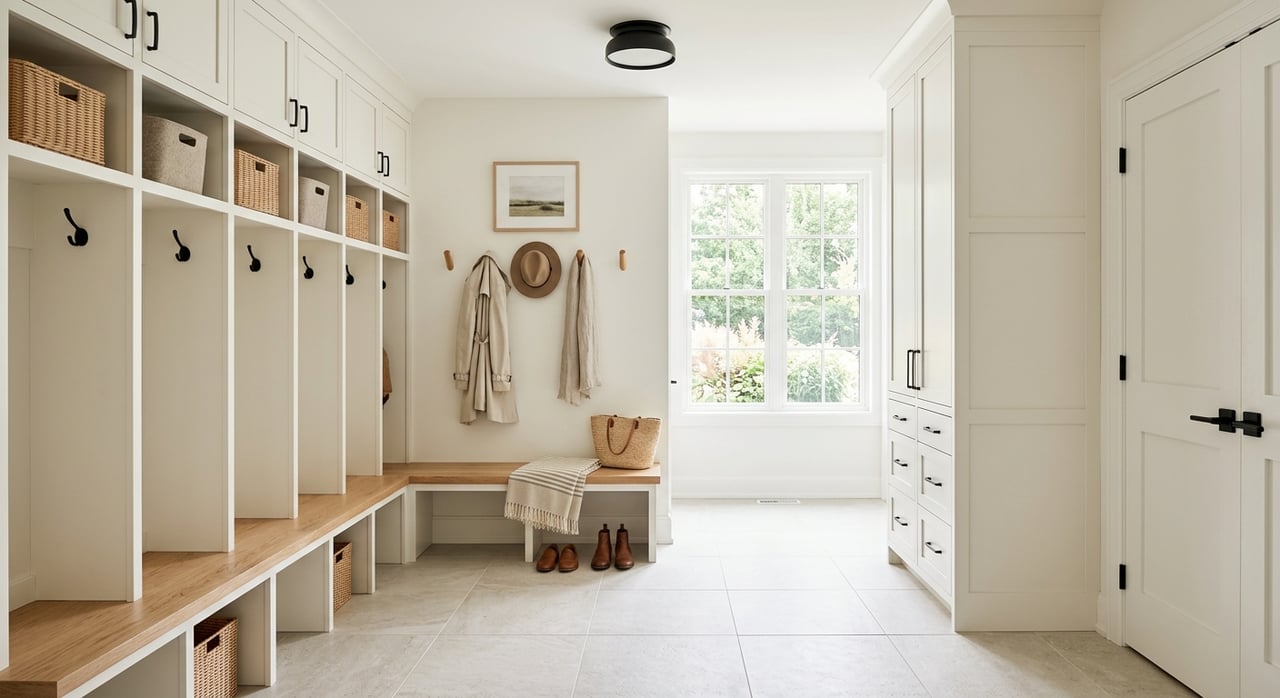
Navigating Builder Contracts In Chatham’s New Home Communities
May 21, 2026
May 21, 2026
Buying from a builder in Chatham Park can feel exciting right up until the contract lands in front of you. That is often the moment buyers realize a new-construction purchase does not follow quite the same rhythm as a resale home. If you are comparing builders, floor plans, timelines, and incentives, understanding the contract terms early can help you avoid surprises and make better decisions with more confidence. Let’s dive in.
Chatham Park is a large master-planned community in Pittsboro with a mix of housing types, including townhomes, attached villas, semi-custom homes, and custom homes. Current builders in the community include David Weekley Homes, Homes by Dickerson, Tri Pointe Homes, Upright Builders, and Wagoner Homes. That variety is a big reason contracts can feel different from one home to the next.
A quick move-in home, a to-be-built home, and a custom home do not offer the same level of flexibility. In some homes, many selections may already be made. In others, you may have more room to personalize finishes, timing, and certain design choices.
Before you focus on incentives or upgrades, make sure you understand what type of home you are actually buying. This one step can shape your expectations for timeline, design selections, and what parts of the contract are likely to be flexible.
Quick move-in homes are usually the least flexible when it comes to personalization. Builder materials show that some or all design selections may already be complete, and homes already under construction may only allow choices that have not yet been ordered.
That can be a good fit if you want a shorter timeline or need to move on a schedule. It also means you should confirm exactly what is included, what is finished, and whether any remaining selections are still available before you sign.
To-be-built homes usually offer more opportunity to choose finishes and features. The builder process often includes selecting a homesite and floor plan, signing the purchase agreement, arranging financing, making design selections, and then moving through construction updates and closing.
Even so, more choice also means more deadlines. Design appointments, pricing approvals, and product lead times can all affect your timeline and your final budget.
Semi-custom and custom homes often involve the longest timeline and the most decisions. Homes by Dickerson notes that a typical custom-home timeline can run about six to twelve months, and weather can affect exterior finish timing.
If you are building at this level, your contract review should go beyond price alone. You will want clarity on drawings, personalization steps, allowances, timeline expectations, and how change decisions are handled during construction.
In North Carolina, residential sales contracts must be written and signed. The standard framework gives you a negotiated due-diligence period to investigate the property and the transaction.
During that period, buyers commonly review inspections, restrictive covenants, HOA documents, appraisal timing, survey matters, title work, and loan qualification. The due-diligence fee, if any, is negotiated and is not mandatory.
The biggest practical shift happens when due diligence ends. Under North Carolina’s standard structure, there is not a separate loan contingency waiting in the background after that deadline.
That means you need to know where things stand with your financing before due diligence expires. If you terminate during due diligence, earnest money is typically returned, but the due-diligence fee usually is not.
In a Chatham Park builder purchase, this is often the most important checklist:
Many buyers assume a builder contract is completely fixed. In reality, some terms may be open to discussion, while others are much harder to change.
In general, the length of due diligence, the due-diligence fee, the closing date, repair requests, and the wording around some incentives or credits may be negotiable. On the other hand, the builder’s purchase agreement form, HOA or community assessments, already ordered selections, and base specifications are often much less flexible.
Builder incentives can look attractive, especially when rates, closing costs, or upgrade credits are involved. But builder materials also make clear that promotions, prices, availability, and incentives can change without notice.
That is why you should ask for the full incentive terms in writing. You want to know what deadlines apply, whether the offer depends on using an affiliated or preferred lender, and whether the incentive changes if your timeline or loan structure changes.
Yes. Builder information from David Weekley and Tri Pointe says buyers are not required to use a preferred or affiliated lender.
Still, incentives may differ depending on the financing path you choose. That is why it helps to compare the total cost, not just the headline offer.
In Chatham Park, your purchase decision should include more than the advertised home price. Community costs matter, and they should be part of your budget from the beginning.
Chatham Park publishes association assessments, and some builder pages show layered dues, including both master-association and subassociation costs. If you are comparing neighborhoods or home types, make sure you understand the full monthly and annual ownership picture before you commit.
Many buyers are surprised to learn that repair requests are negotiable, not guaranteed. You can ask for repairs during due diligence, but the seller or builder does not have to agree.
If repairs are agreed to, they should be completed before settlement. You also still have the right to verify repairs and complete a final walkthrough before closing.
Once due diligence ends, your ability to terminate or keep negotiating narrows. That is why inspection timing, repair requests, and lender communication should happen early and stay organized.
This is one area where strong coordination can make a real difference. Missing a deadline can leave you with fewer options than you expected.
Builder purchases often follow a clear sequence, but that does not mean the timeline is simple. You may be balancing financing deadlines, design-center appointments, product lead times, construction updates, orientation, and closing.
In a quick move-in home, the pace can be faster because many choices are already complete. In a custom or semi-custom build, the timeline can stretch longer and include more decision points that affect price and schedule.
North Carolina closings rely heavily on attorneys. The North Carolina Bar advises buyers to consult a licensed North Carolina real estate attorney before signing anything or making a deposit, and a licensed North Carolina attorney must supervise all material aspects of a residential closing.
Your lender helps confirm affordability, timing, and loan progress. Your buyer’s agent helps track deadlines, coordinate documents, and keep communication moving between the builder, lender, and closing attorney.
The best approach is calm preparation. When you understand the home type, the timeline, the due-diligence deadlines, and the written terms for costs and incentives, the contract becomes much easier to evaluate.
This is especially important in a community like Chatham Park, where the mix of builders and product types creates very different buying experiences. A quick move-in townhome, a semi-custom villa, and a custom home in a different section of the community can each come with a very different contract rhythm.
Having experienced guidance can help you sort through those differences before you are locked into deadlines or assumptions. If you want a steady local advocate while comparing builders, timelines, and contract terms in Chatham Park, Pat Dillon Real Estate is here to help.

Schedule your free 30 minute consultation with Pat to learn more about the buying and selling process and how to get started!

PAT DILLON REAL ESTATE
(919) 368-4068
[email protected]
704 Slash Pine Dr
Cary NC 27519
308 W Main St Ste A
Durham NC 27701
Hours
8 AM - 6 PM