Are 55 Plus Communities in Chapel Hill Right for You?
April 23, 2026
April 23, 2026
If you are thinking about simplifying your home, cutting down on upkeep, or finding a community that better fits this next chapter, a 55+ move around Chapel Hill may be worth a close look. The right choice can give you more convenience, more connection, and a home that supports how you want to live now. It can also come with tradeoffs, so it helps to know what these communities really offer before you decide. Let’s dive in.
A 55+ community is not just a marketing label. Under HUD rules, a community can qualify as 55+ housing if at least 80% of occupied homes have at least one resident age 55 or older, the community clearly publishes policies that show that intent, and it uses age-verification procedures. HUD also separately recognizes 62+ housing, which is a different category with its own requirements.
That matters because not every age-targeted community works the same way. In some cases, one resident in the household must be 55 or older. In others, the rules may be more restrictive, so it is important to read the governing documents, lease terms, or HOA materials carefully before you commit.
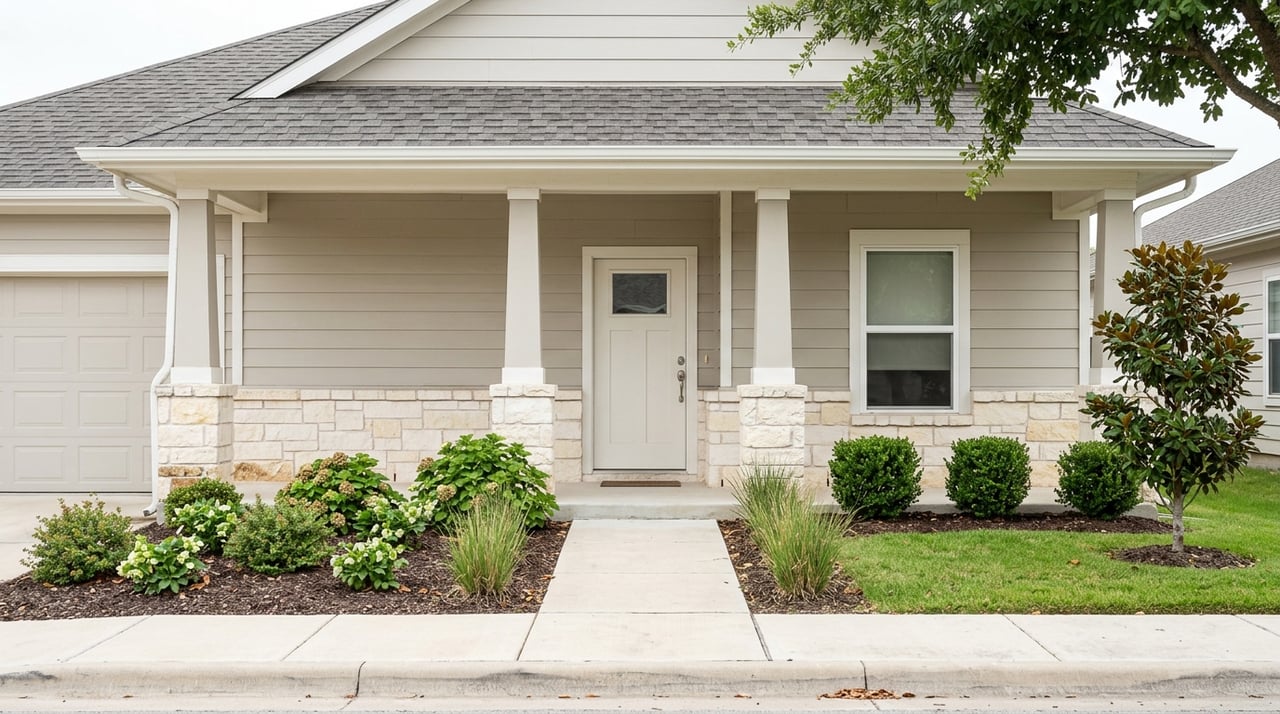
Many buyers hear “55+” and assume it means assisted living or a service-heavy senior housing model. That is usually not the case with active-adult communities around Chapel Hill. These communities are generally designed for independent living, often with lower-maintenance homes, social programming, and amenities that support a lock-and-leave lifestyle.
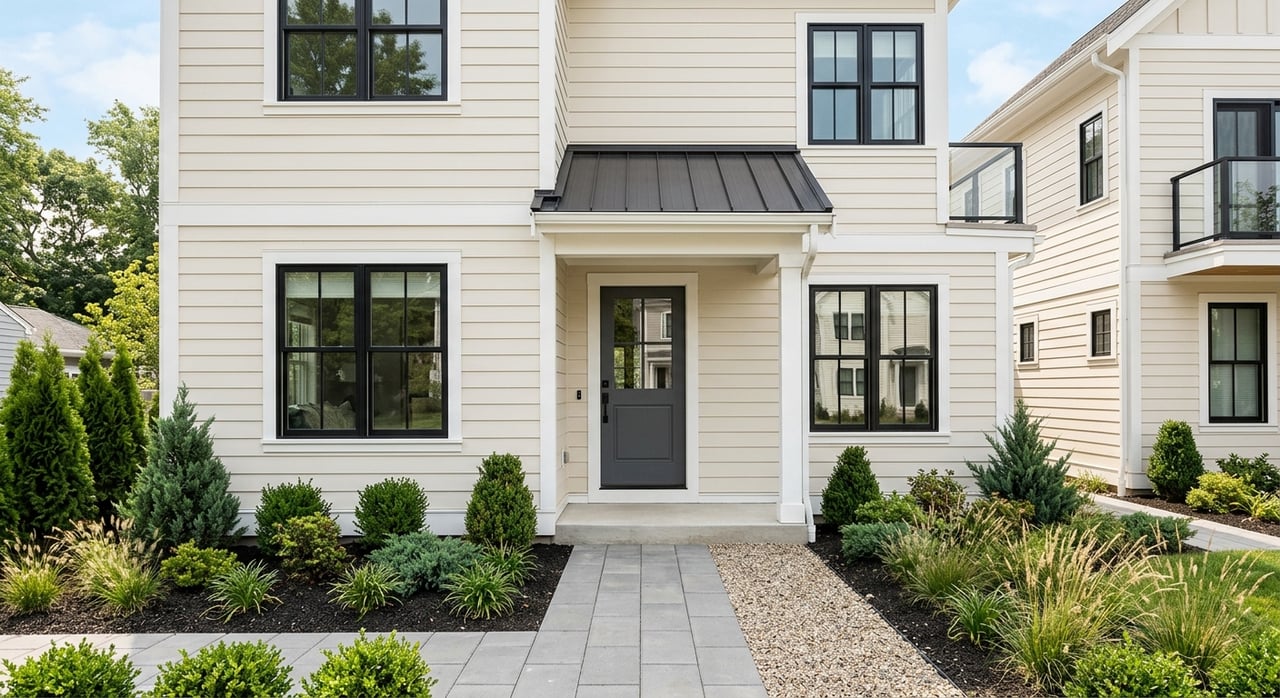
That means you may find rental apartments, attached homes, townhomes, villas, or detached single-family homes in this category. The common thread is usually convenience, optional social connection, and floor plans that may better suit long-term comfort.
For many people, the appeal is simple: less maintenance and more ease. Instead of spending weekends on yard work or exterior upkeep, you may prefer a home and community setup that frees up your time. That can be especially appealing if you travel often, want fewer household tasks, or are planning ahead for the years ahead.
Lifestyle is another major reason people make the move. Some 55+ communities are built around clubs, fitness, classes, and regular events. Others are quieter and more low-key, so the best fit depends on whether you want an active calendar, a simpler home base, or a mix of both.
The Chapel Hill area offers a range of 55+ choices, which is helpful if you are still figuring out whether you want to rent, buy, or downsize into a more manageable layout.
Overture Chapel Hill on Farrington Road is a 55+ apartment community in Chapel Hill. According to Greystar, it offers studio, one-, two-, and three-bedroom apartments, along with amenities like a fitness center, pool, coffee bar and bistro, gaming and reading spaces, a yoga studio, and EV charging.
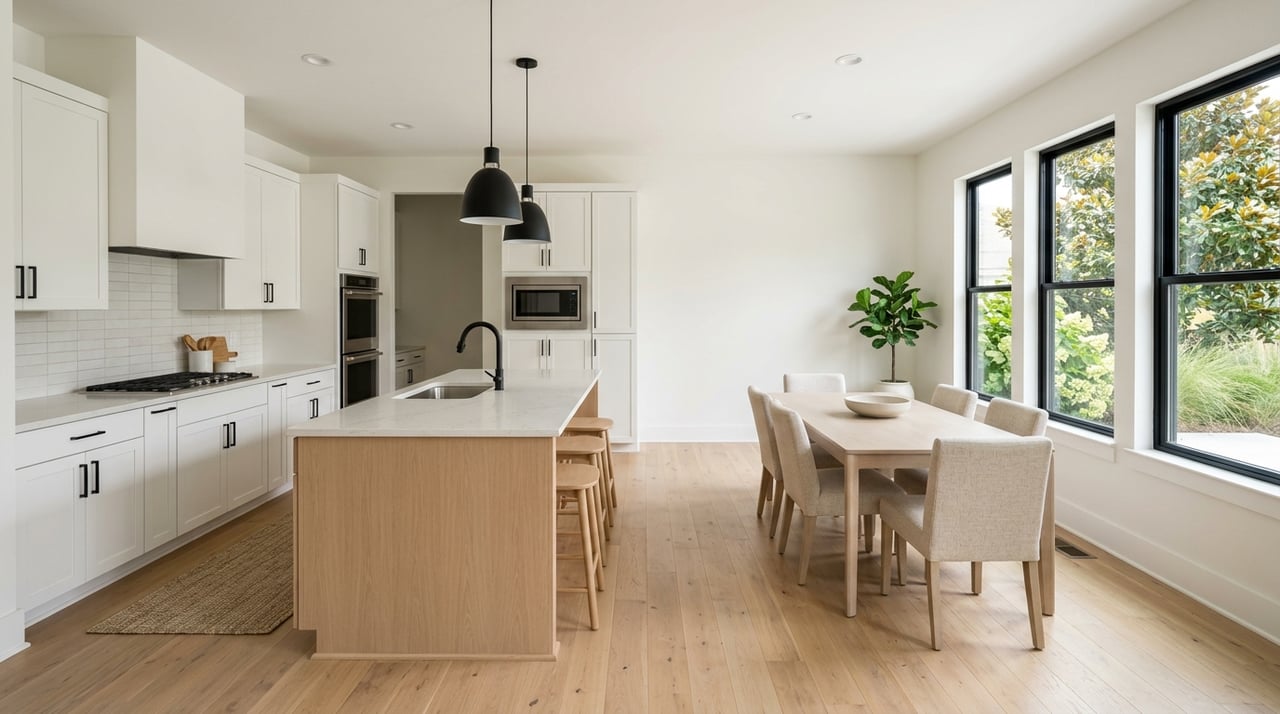
Inside the apartments, features listed include granite countertops, stainless appliances, walk-in tiled showers, and private patios or balconies. For some buyers, a rental option like this can be a smart way to test a lower-maintenance lifestyle before making a purchase.
The Villas at Culp Arbor in Chapel Hill documents an over-55 requirement. Its resident information identifies Phase 1 as quad townhomes and Phase 2 as stand-alone homes, and its document library includes clubhouse and pool rules, suggesting a more association-managed and amenity-supported environment.
That setup may appeal to buyers who want homeownership with shared amenities and structured community governance. It is a good example of why reviewing association documents early is so important.
Encore Briar Chapel describes itself as an over-55 community within the larger Briar Chapel neighborhood in Chapel Hill. Its event calendar shows recurring activities such as bocce, golf, yoga, poker, mahjong, singles events, and committee meetings.
David Weekley’s launch information described these homes as low-maintenance, single-level designs with lawn care included, plus an exclusive amenity center with a clubhouse, pool, and fitness center. If you like the idea of active-adult living with a built-in social calendar, this community is worth comparing.
Your best fit may be just outside Chapel Hill. Carolina Arbors in Durham says it includes 1,292 homes, main-floor living, trails, pocket parks, a 37,000-square-foot community center, and more than 100 clubs and groups, plus amenities such as bocce, pickleball, tennis, a dog park, pool, and garden.
Encore at Chatham Park in Pittsboro is another nearby option. The developer describes it as a 55+ lifestyle community with ranch-inspired homes, included lawn maintenance, a 5,000-square-foot clubhouse, a lifestyle director, social clubs, a pool and hot tub, tennis and pickleball courts, and access to greenway trails.
A 55+ community is not automatically better than a traditional neighborhood. It is simply built around a different set of priorities. Compared with many all-ages subdivisions, 55+ communities often focus more on single-level or low-step living, reduced day-to-day maintenance, and amenities geared toward adult lifestyles.
By contrast, a broader neighborhood like Briar Chapel highlights a wider mix of features, including preserved open space, trails, parks, community gardens, pools, a waterpark, fitness facilities, and on-site schools, according to David Weekley’s Briar Chapel overview. If you still want a mixed-age environment with broad neighborhood amenities, that kind of community may feel like a better fit.
Some buyers also compare 55+ communities with condos because both can reduce exterior upkeep. The overlap is real, but they are not the same thing. Under North Carolina condominium law, the association is responsible for maintaining, repairing, and replacing common elements, while owners remain responsible for their own units and share in the cost through assessments.
In practice, condo living can mean less exterior maintenance, but it also often means shared walls, association governance, and a different ownership structure. A 55+ community may offer a detached home or townhome instead, along with a stronger lifestyle focus and more organized social programming.
The biggest benefit of 55+ living is often convenience. Lower maintenance, accessible floor plans, and ready-made amenities can make everyday life feel easier. For many buyers, that peace of mind is the real value.
The tradeoffs are just as important to consider. These communities often come with more rules, ongoing fees, and a narrower resale audience because of the age restriction. So the real question is not whether 55+ living is universally better. It is whether it matches your goals, budget, and preferred lifestyle.
Before you move forward, it helps to compare communities with a practical checklist.
Do not assume every 55+ community works the same way. Ask whether the rule is one resident age 55 or older per household, whether there are additional occupancy limits, and how the community handles younger spouses, caregivers, or long-term guests.
Because HUD makes age verification and policy compliance central to 55+ status, you should review the official documents carefully. This is one of the most important steps in avoiding surprises later.
Monthly costs can vary a lot from one community to another. Ask whether the fee covers lawn care, exterior maintenance, irrigation, trash, clubhouse access, fitness classes, internet, or social programming.
The difference matters. For example, local examples show lawn maintenance included at Encore at Chatham Park, apartment-style amenities at Overture Chapel Hill, and clubhouse and pool governance at Villas at Culp Arbor.
A home that works well today may not work as well ten years from now. Look for features like main-floor living, single-level layouts, step-free entries, wider pathways, and bathrooms designed for easier access.
Local communities highlight several of these features already. Carolina Arbors promotes main-floor living, Encore Briar Chapel has highlighted single-level homes, and Overture Chapel Hill lists walk-in tiled showers.
If you want options beyond driving, transit can be a real advantage in Chapel Hill. Chapel Hill Transit is fare-free and serves Chapel Hill, Carrboro, and UNC, with ADA-accessible service and free EZ Rider door-to-door transportation for eligible riders.
That may be especially valuable if you want to stay connected to daily errands, appointments, and activities without relying on a car for every trip.
Some buyers want a lively calendar of activities. Others want privacy and quiet with the option to join in occasionally. There is no right answer, but there is a right fit for you.
That is why visiting at different times of day can be so helpful. A community with frequent clubs and events, like Carolina Arbors or Encore Briar Chapel, may feel very different from a setting that is more apartment-like or more reserved.
If you want less upkeep, easier living, and a home that better supports the next stage of life, the answer may be yes. Around Chapel Hill, you have options that range from apartment living to detached homes, with different levels of amenities, association structure, and social activity.
The key is to choose based on lifestyle fit, not just age qualification. When you compare floor plans, fees, rules, transportation access, and the pace of community life, you can make a decision that feels right both now and in the years ahead.
If you are weighing 55+ communities around Chapel Hill and want a calm, local guide for the process, Pat Dillon Real Estate can help you compare options, understand the tradeoffs, and make a move that fits your goals.
Schedule your free 30 minute consultation with Pat to learn more about the buying and selling process and how to get started!

PAT DILLON REAL ESTATE
(919) 368-4068
[email protected]
704 Slash Pine Dr
Cary NC 27519
308 W Main St Ste A
Durham NC 27701
Hours
8 AM - 6 PM