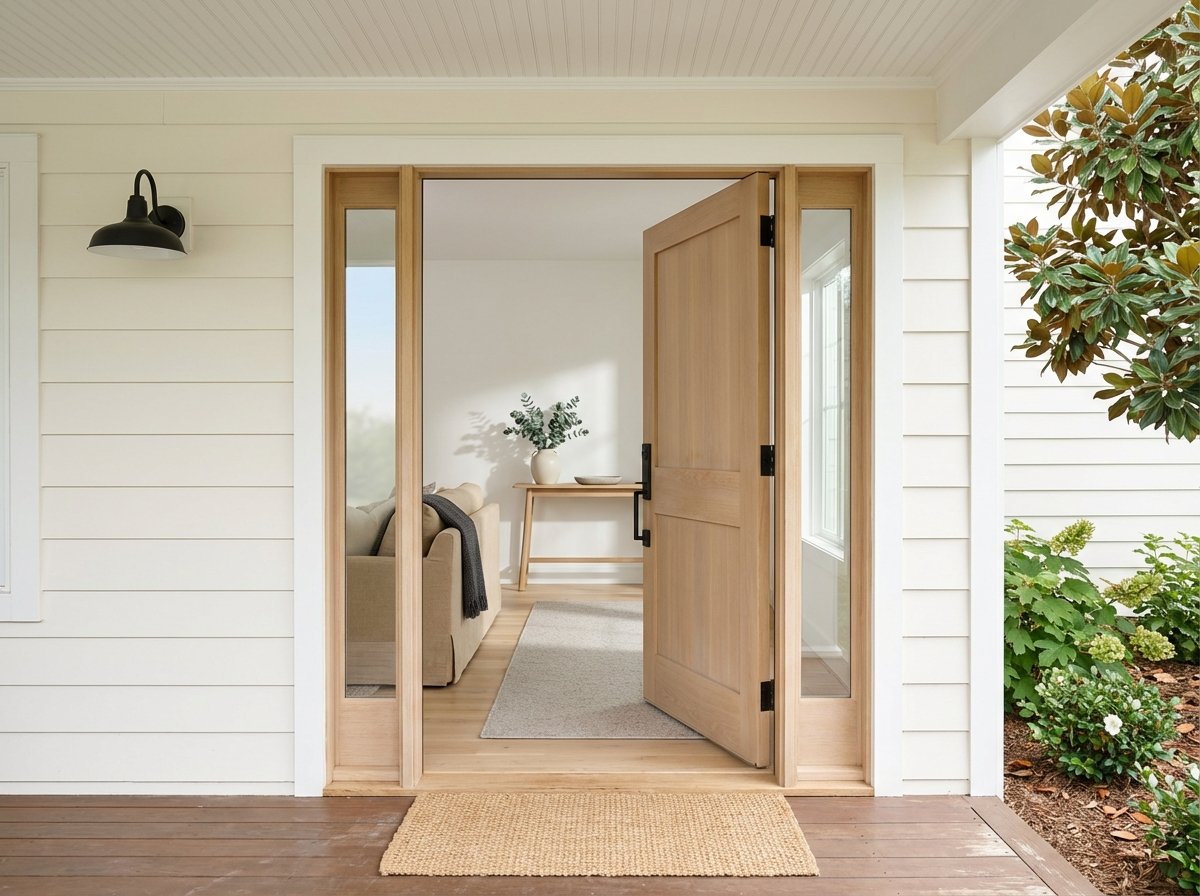
Smart Pricing And Staging For A Successful Durham Home Sale
February 19, 2026
February 19, 2026
Thinking about selling your Durham home but unsure where to start? You want top dollar without sitting on the market for months, and you do not want to leave money on the table with a slow price cut later. The good news is that a smart list price, polished presentation, and a simple plan can shift the odds in your favor. In this guide, you will learn what is working now in Durham, how to set a confident price, and which staging and marketing steps deliver the best return. Let’s dive in.
Recent public market feeds show Durham city’s median sold price hovering around the high $300s with days on market near 84. Durham County sits slightly higher, with a median near the low $400s and days on market around the high 70s. Inventory across the Triangle has grown compared with 2020 to 2022, which creates a more balanced market and puts a premium on precise pricing and strong presentation. You can see that broader trend in Triangle inventory reporting.
Durham is also a market of micro-trends. In-town historic pockets like Trinity Park, Old North Durham, and Duke Park often command higher price per square foot due to walkability and character. Established suburban areas near Southpoint or Hope Valley tend to show lower price per square foot but draw buyers who value yards and newer systems. Neighborhood medians can swing month to month, so the right price comes from recent, hyper-local comps.
The best price starts with a clear view of your micro-market. Focus on your immediate area, similar homes, and the most recent sales window.
Your strategy should match your goals and the speed of your submarket.
Your first 14 days on the market are your best window for attention and strong offers. Online platforms favor fresh listings, and buyers often watch new inventory closely. If you miss that window due to a high list price or weak presentation, you may end up chasing the market with cuts later. Plan to launch with confidence and flexibility for showings.
Staging is not about hiding flaws. It is a way to help buyers see your home’s space and flow. Industry research supports its impact. In a recent summary of the National Association of Realtors’ Profile of Home Staging, 48 percent of sellers’ agents said staging reduced time on market, and about 20 percent said it increased offers by 1 to 5 percent compared with similar unstaged homes. You can review those findings in this NAR staging summary.
Real Estate Staging Association (RESA) snapshots also show strong outcomes in their practitioner dataset, with sale-to-list ratios above 100 percent in many quarters and average staging investments in the low thousands. That is practitioner data, yet it tracks with what we see locally when presentation is dialed in. Explore the RESA statistics overview for current ranges.
If you stage nothing else, focus on the rooms buyers consider most important.
These three rooms are consistently named as staging priorities in agent surveys. If you have budget for more, consider light styling in entryways and baths, and a tidy outdoor moment for curb appeal.
Typical professional staging for a 60-day campaign often falls in the low thousands. Recent RESA snapshots place averages around 3,500 to 4,400 dollars depending on size and scope. Partial staging of key rooms is common and cost-effective. For vacant homes, virtual staging can be a budget-friendly alternative for photos. If you use virtual, label the images clearly in the listing to avoid confusion. See current RESA averages and notes for context.
Professional photography is one of the most valuable pre-listing investments. Agent surveys highlight it as a top must-do, alongside decluttering and cleaning. The National Association of Realtors features photos at the top of many pre-listing checklists. You can see that emphasis in this NAR article on staging and prep priorities.
3D tours and interactive floor plans can lift engagement, especially for unique layouts or when you expect out-of-town buyers. Platform and vendor analyses report higher view counts and faster sales for listings that include immersive media. These are not independent trade studies, but they align with what we see in practice across the Triangle. For a local snapshot of digital listing trends, review this Raleigh-area market marketing roundup.
When deciding what to include, think in tiers:
Seasonally, spring from March to June tends to bring the largest buyer pool. Early fall often offers a second wave, supported by local hiring and relocation cycles tied to major employers. If your timing is flexible, aim to finish prep before those windows. If you must list off-peak, strong pricing and standout media can still create a fast, confident sale.
Day-of-week also matters. National analysis has found that mid-week launches, especially on Thursday, tend to go pending faster than weekend debuts. Pair that with a strong first-weekend showing plan to capture early interest.
If showings are low in the first 7 to 14 days, react quickly. Review price, photos, and staging. A crisp adjustment can recapture attention before the listing goes stale.
Use this simple timeline to stay on track and maximize your launch window.
You get one chance to make a first impression. A data-backed price, polished staging, and the right media can shorten your timeline and raise your net. If you want a calm, outcomes-focused process backed by two decades of Triangle experience, reach out to Pat Dillon Real Estate to schedule a free 30-minute consultation.

Schedule your free 30 minute consultation with Pat to learn more about the buying and selling process and how to get started!

PAT DILLON REAL ESTATE
(919) 368-4068
[email protected]
704 Slash Pine Dr
Cary NC 27519
308 W Main St Ste A
Durham NC 27701
Hours
8 AM - 6 PM