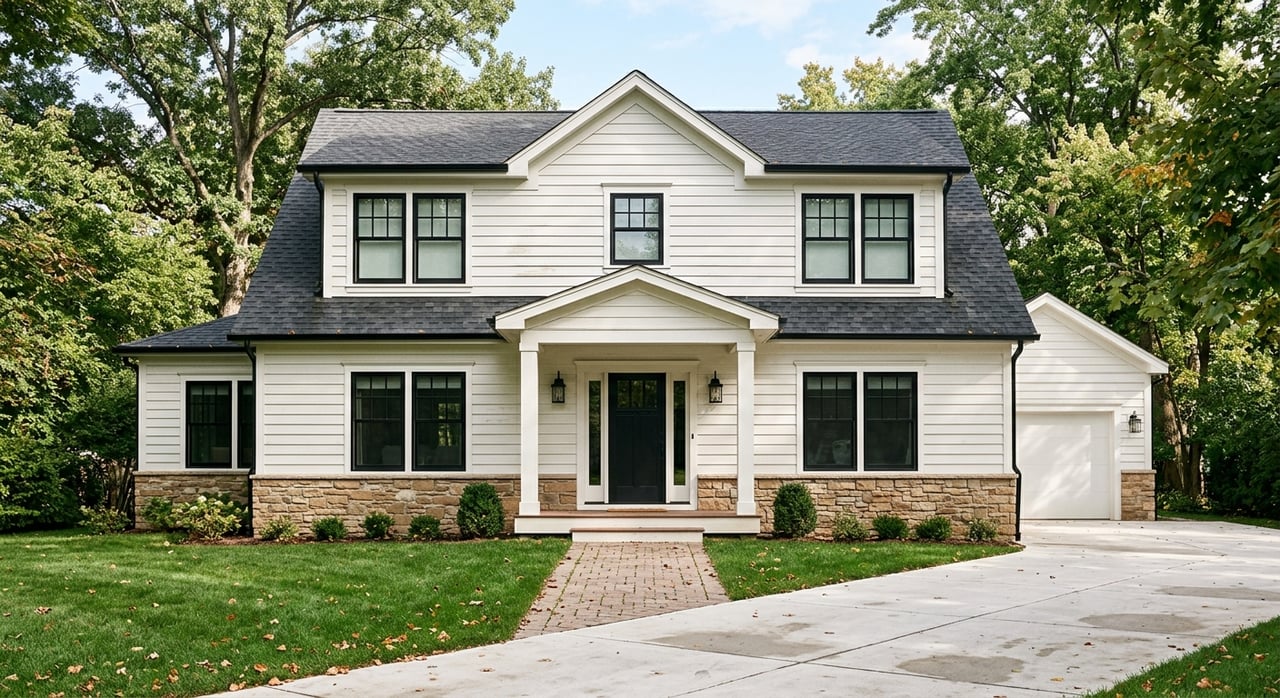
Hillsborough NC Housing Market: What Shapes Prices
June 18, 2026
June 18, 2026
If you have looked at homes in Hillsborough and wondered why one property draws immediate interest while another sits a little longer, the answer often comes down to character. This is not a one-size-fits-all market, and that can feel confusing when you are trying to make a smart move as a buyer or seller. The good news is that once you understand how Hillsborough’s identity, housing mix, and supply shape demand, the pricing starts to make more sense. Let’s dive in.
Hillsborough is a small town with about 9,778 residents and 4,146 households. It also has a 63.8% owner-occupied housing rate and a median owner-occupied home value of $460,100, according to U.S. Census data. That level of ownership helps support a sense of stability that many buyers notice right away.
Location also plays a real role in demand. Hillsborough’s official town materials describe it as centrally located in North Carolina, with I-85 running through town and I-40 just outside town limits. For buyers who want small-town scale with access to the broader Triangle, that combination can be very appealing.
Commute patterns add to that appeal. The mean commute to work is 21.7 minutes, a bit shorter than the Durham-Chapel Hill metro average of 24.1 minutes. For many buyers, that supports the idea that Hillsborough offers both convenience and a different pace of living.
In Hillsborough, home prices are often shaped by more than lot size or bedroom count. The town is known for its deep history and arts-and-culture identity, and that can create lifestyle value that buyers are willing to pay for. In practical terms, that means some homes command stronger demand because of setting, feel, and sense of place.
This is especially true in and around the historic core. The downtown historic district was created in 1973, is listed on the National Register of Historic Places, and includes more than 100 houses, churches, and buildings from the 18th and 19th centuries. That kind of limited, distinctive inventory tends to stand apart from newer housing options.
The town’s Historic District Commission also reviews changes in the district to help protect its character. For buyers, that can support long-term appeal and scarcity. For sellers, it can help explain why updated historic homes in prime locations may be priced differently than a similarly sized home elsewhere.
It is easy to associate Hillsborough with older homes and downtown charm, but the housing story is broader than that. The town’s Future Land Use Plan calls for a mix of Small Lot Residential Neighborhoods, Medium-Density Residential areas, and Attached Residential Neighborhoods. Those areas can include single-family homes, townhomes, duplexes, condominiums, apartments, and senior housing.
That matters because demand is spread across multiple housing types. Some buyers want a detached home in an established neighborhood. Others are looking for a lower-maintenance townhome, a newer attached option, or housing that better fits a downsizing stage of life.
Census Reporter data shows that 78% of Hillsborough housing units are single-unit homes. So while the town is growing into a more varied housing mix, detached homes still make up the majority of the inventory. That helps explain why move-in-ready detached homes can attract strong attention when supply is tight.
Several current and approved projects show how Hillsborough’s housing supply is evolving. Collins Ridge is planned as a master-planned community with 950 dwellings of different types plus 88 affordable rental units. Waterstone South is approved for 205 townhomes, 450 apartments, medical office and service uses, and neighborhood commercial uses.
Another project, Persimmon at Cates Creek/Moren Tract, includes 316 apartments and 30 townhomes in its first phase. The town also says new residential developments are expected to provide 15% affordable housing, subject to the ongoing UDO rewrite. Together, these projects point to a future with more product variety than many buyers may expect.
For buyers, that can mean more choices over time. For sellers, it means your home is not just competing against resale properties. In some parts of the market, you may also be competing with newer homes, attached housing, or communities offering a different lifestyle package.
Recent market snapshots show that Hillsborough is active, even if the exact numbers vary by source. Realtor.com’s April 2026 data shows 195 homes for sale, a median listing price of $500,000, a median 39 days on market, and a 99% sale-to-list ratio. On that same platform, the 27278 ZIP code also shows a $500,000 median listing price.
Redfin’s May 2026 data points to an even faster pace. It reports a median sale price of $482,711, median days on market of 24, a 98.7% sale-to-list ratio, and 22.3% of homes selling above list price. Redfin also notes that some homes receive multiple offers and that hot homes can sell in around 6 days.
Those numbers tell an important story. Homes are selling close to asking price overall, and some are moving very quickly. At the same time, not every property is performing the same way, which is why pricing and positioning matter so much.
You may see one site call Hillsborough a balanced market and another call it somewhat competitive. That does not necessarily mean one source is wrong. The difference is likely tied to each platform’s time frame and methodology.
The practical takeaway is simpler than the label. Hillsborough is active, but it is not uniform. Some homes generate fast traffic and strong offers, while others need more time because of price point, condition, home type, or location within the town.
One of the biggest drivers of home value in Hillsborough is the fact that different areas behave differently. Realtor.com’s neighborhood-level data shows some Hillsborough areas with only one active listing and several with none at all. That kind of thin inventory can make pricing less predictable and can make true comparables harder to find.
A renovated historic home, a standard subdivision home, and a newer attached property may all fall under the same ZIP code, but they do not necessarily attract the same buyer pool. They also do not move at the same speed. That is why broad averages only tell part of the story.
For buyers, this means you need to compare like with like. For sellers, it means your pricing strategy should be built around your specific submarket, not just a townwide median. In a place like Hillsborough, local context matters a lot.
For buyers comparing Triangle options, Hillsborough often lands in an interesting middle position. Realtor.com data shows Hillsborough with a median listing price of $500,000. That is above Durham’s $415,000, below Chapel Hill’s roughly $675,000, and close to Carrboro’s roughly $490,000.
That price positioning helps explain part of the demand. Buyers who want to stay connected to the Triangle but may not want Chapel Hill pricing often see Hillsborough as a compelling alternative. It offers a different setting and a market that can feel more tailored, while still staying within reach of larger regional job centers.
If you are buying in Hillsborough, it helps to think beyond the headline price. Character-rich homes in limited-supply areas may bring stronger competition because buyers are reacting to scarcity and setting, not just specs on paper. Newer neighborhoods and attached-home communities may offer more direct comparisons and a different negotiation dynamic.
A few practical points can help:
If you are considering a historic-area home, details matter even more. Limited supply can support pricing, but condition and maintenance questions can also affect value. In newer communities, the presence of similar homes may create more room for negotiation.
If you are selling in Hillsborough, the market can reward the right strategy. Current data suggests many homes are selling near list price, and some are selling above asking. But that does not mean every home should simply chase the highest possible number.
Because Hillsborough is so varied, buyers tend to notice when a home is priced out of sync with its direct competition. Presentation also matters. In a market where one buyer may be comparing your home to a renovated historic property and another may be comparing it to newer construction, condition and positioning can influence how quickly you attract the right offer.
This is where thoughtful preparation pays off. Strong staging, clear pricing, and a sharp understanding of the likely buyer pool can make a real difference in both speed and final terms. In a market shaped by character, details matter.
Hillsborough’s character is a big part of what supports its home values. Its small-town identity, historic core, regional access, and mixed housing future all contribute to demand. But that same character also makes the market more nuanced than a simple average price can show.
If you are buying, that means looking closely at the specific pocket and product type that fit your goals. If you are selling, it means building a strategy around your home’s true position in the market. The more precisely you read Hillsborough, the better your decisions tend to be.
If you want help understanding how your home or target neighborhood fits into today’s Hillsborough market, schedule a free 30-minute consultation with Pat Dillon Real Estate.

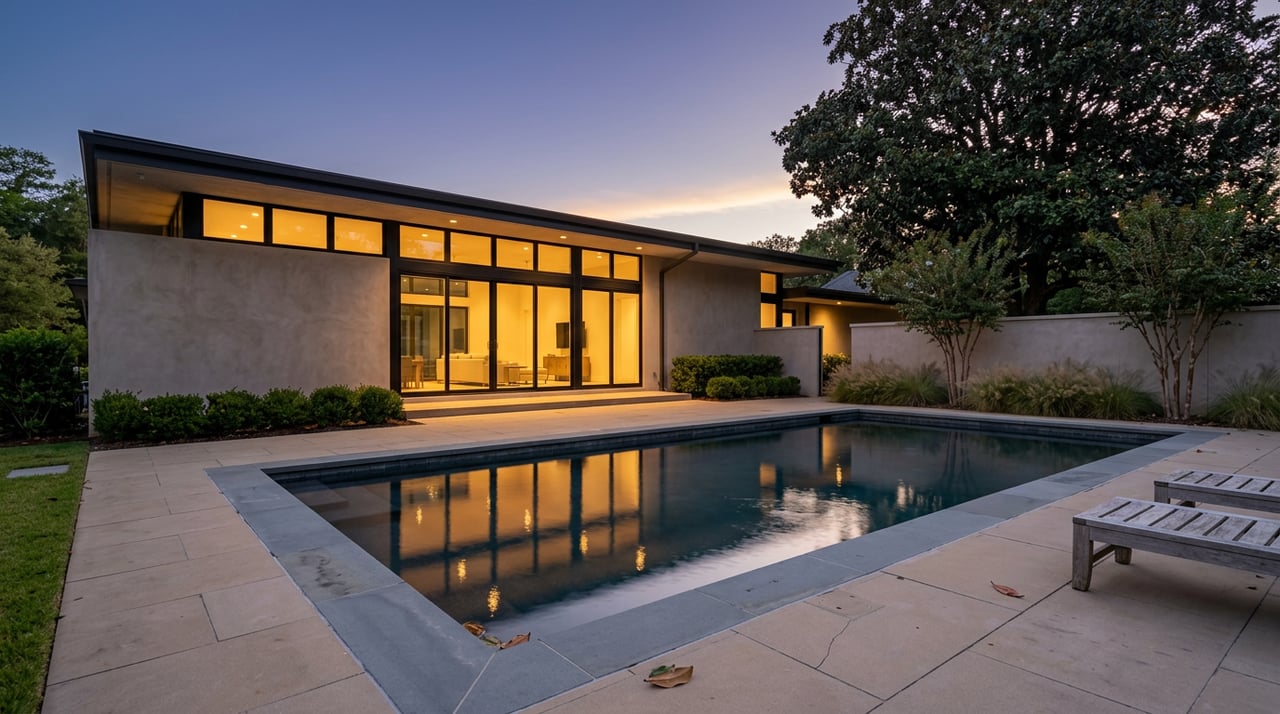
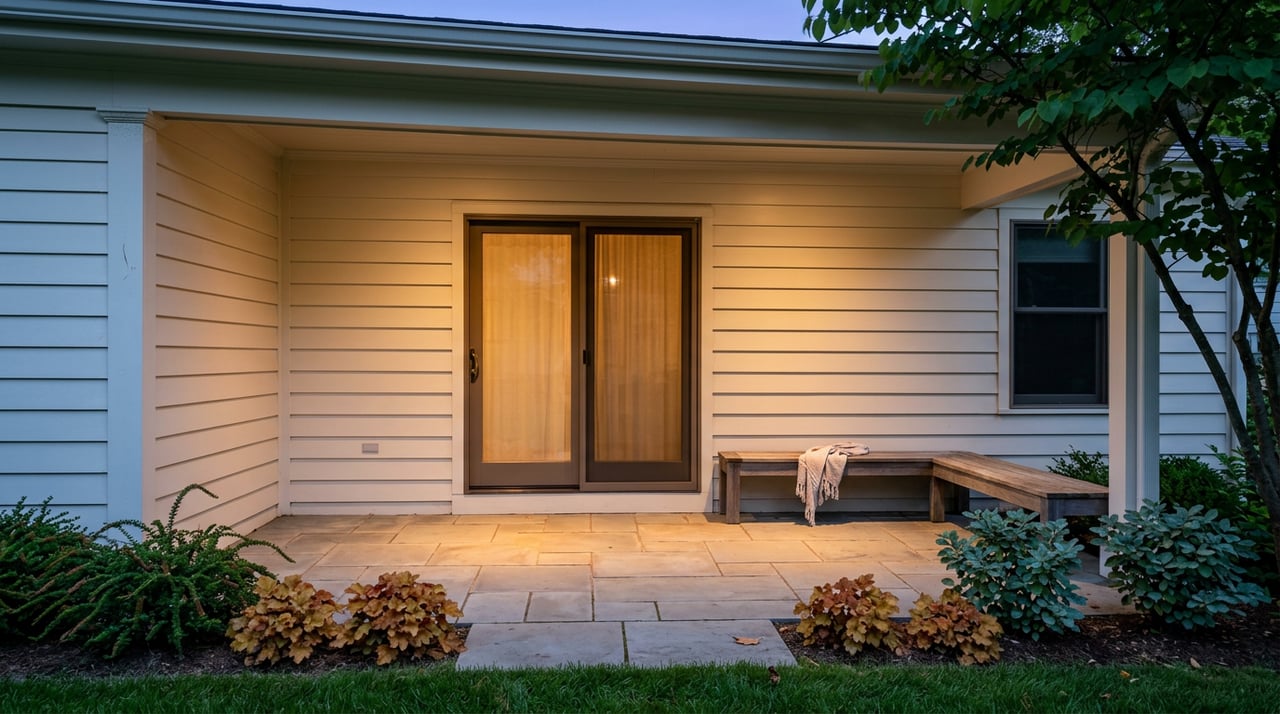
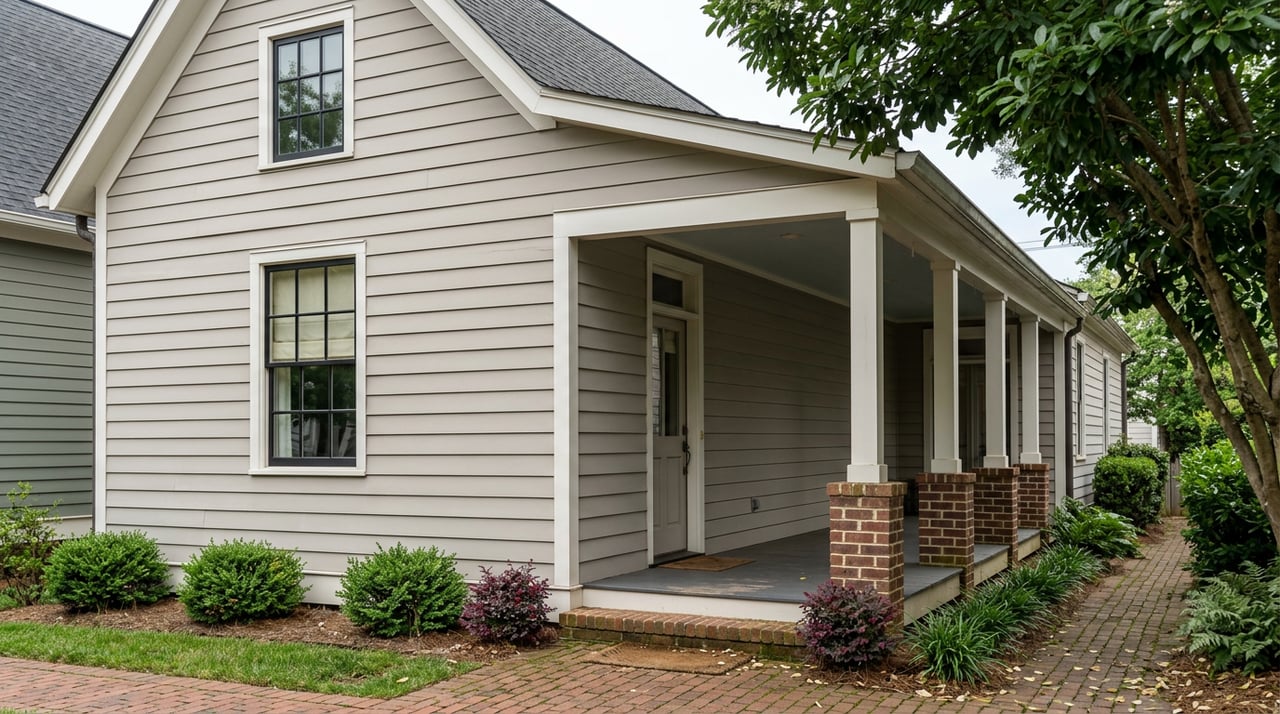
Schedule your free 30 minute consultation with Pat to learn more about the buying and selling process and how to get started!
PAT DILLON REAL ESTATE
(919) 368-4068
[email protected]
704 Slash Pine Dr
Cary NC 27519
308 W Main St Ste A
Durham NC 27701
Hours
8 AM - 6 PM