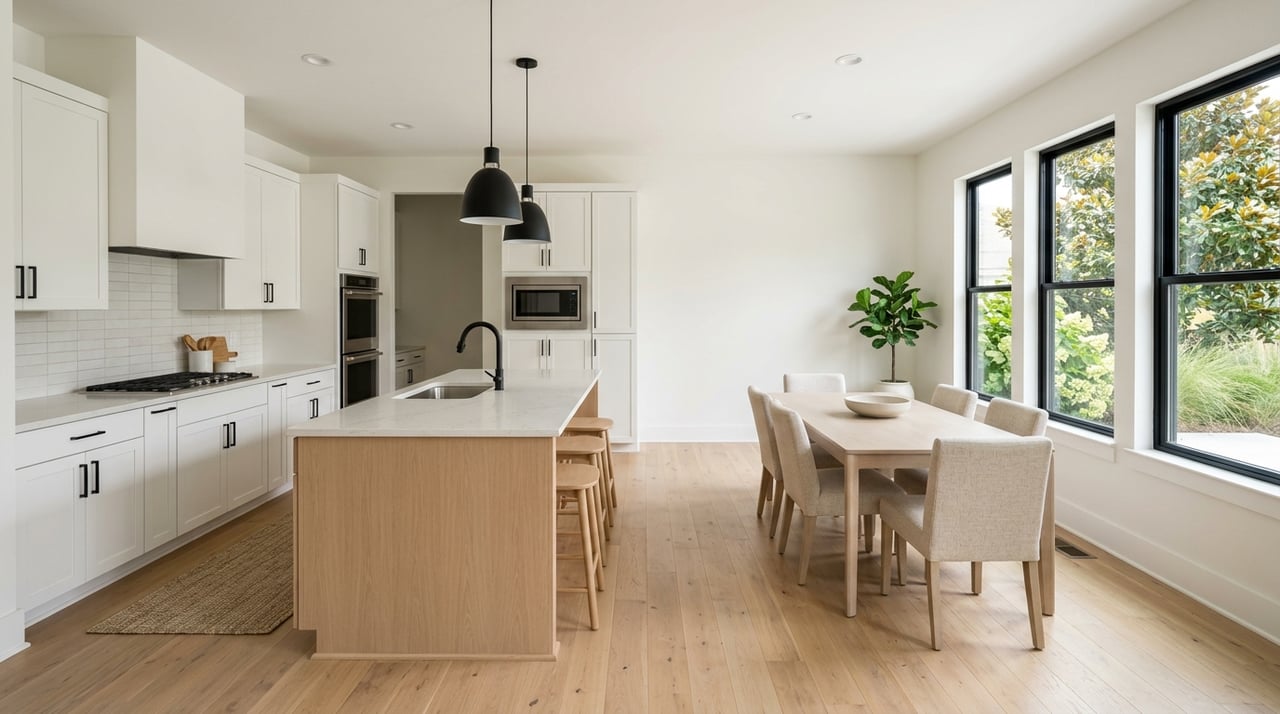
How to Build a Home in Chatham Park, Step by Step
July 9, 2026
July 9, 2026
Thinking about building in Chatham Park? It can feel exciting one minute and overwhelming the next, especially when you are comparing builders, neighborhoods, timelines, and contract terms all at once. The good news is that the process becomes much more manageable when you know what happens first, what decisions matter most, and where delays can show up. This step-by-step guide will walk you through how building typically works in Chatham Park so you can move forward with more clarity and confidence. Let’s dive in.
Chatham Park in Pittsboro is designed as a master-planned community with homes, parks, trails, dining, healthcare, employment, and recreation located close together. The community also emphasizes proximity to the Research Triangle, the airport, and other major cities, which can be especially appealing if you want easier regional access.
You are not looking at a one-size-fits-all neighborhood here. Current housing options include single-family homes, townhomes, villas, condos for sale, and apartments for rent, with choices in neighborhoods such as NoVi, Vineyards, and MOSAIC. Chatham Park also includes the Encore 55+ neighborhood, which gives active-adult buyers another option to consider.
The community’s scale also shapes the buying experience. Chatham Park currently markets more than 5 miles of completed greenways, more than 30 miles planned, and a YMCA that opened in spring 2025. Because different neighborhoods are at different stages of development, your path may look very different depending on whether you choose a custom build, a production home, or a quick move-in property.
Most buyers begin at the Information Center at MOSAIC. That is where you can get oriented to the neighborhoods, current builder lineup, amenities, and available move-in-ready opportunities.
This first visit matters more than many buyers expect. You are not just choosing a floor plan. You are also comparing product types, neighborhood settings, and whether your best fit is a to-be-built home or something already under construction.
Current builders listed in Chatham Park include David Weekley Homes, Homes by Dickerson, Tri Pointe Homes, Upright Builders, and Wagoner Homes. Their offerings range from attached villas and townhomes to single-family and custom homes, so it helps to narrow your priorities early.
Once you know which section of Chatham Park fits your goals, the next step is matching that neighborhood with the right builder and homesite. This is where your budget, timeline, and preferred level of personalization start to shape the decision.
Some buyers want the freedom to make more selections from the start. Others would rather choose a home that is already underway or nearly complete to reduce the wait. In Chatham Park, both paths can exist at the same time depending on the neighborhood release.
If you are relocating or buying from out of town, this stage often takes extra coordination. Video tours may be part of the process, and written buyer agreements are required before touring homes, including video tours for non-local buyers.
In North Carolina, new construction does not work exactly like resale. The North Carolina Real Estate Commission notes that a separate new-construction contract form was developed, which reflects how building timelines and obligations differ from a typical existing-home purchase.
One of the most important parts of the contract is the due diligence period. During that window, you can generally terminate the contract for any reason or no reason before the deadline. The due diligence fee is typically nonrefundable, and it is due by the effective date.
This is also your main investigation window. According to NCREC, buyers should use due diligence to arrange inspections, review restrictive covenants, obtain appraisal and survey information, check zoning and flood risk, and pursue loan approval.
Because Chatham Park is still growing, details can vary by neighborhood, builder, and release phase. That makes it especially important to confirm what is included, what is promised, what is already approved, and what is still subject to future completion.
HOA details also deserve early attention. NCREC requires an Owners’ Association Addendum when an HOA exists, and Chatham Park’s FAQ publishes current assessment information, which is part of your ownership cost planning.
After contract, many buyers move into the design-selection stage. This is where you finalize finishes and builder-approved options for your chosen plan.
Chatham Park builder marketing has highlighted personalization options such as gourmet kitchens, sunrooms, screened lanais, and owner’s-retreat layouts. Your exact choices will depend on the builder, neighborhood, and build stage. If the home is already well underway, some selections may already be locked in.
This step can be fun, but it also affects price and timing. It helps to separate must-haves from nice-to-haves before your appointment so you can make decisions without stretching your budget.
Before construction starts, permits must be issued. Chatham County requires a site plan for new residences that shows property boundaries, easements, rights-of-way, the proposed building footprint, driveways, utilities, and other site features.
The county’s residential lot-permit process also requires a site plan plus a land-disturbing permit application. In addition, county and state rules require stormwater coverage before work starts for projects disturbing one acre or more, or that are part of a common plan of development of that size.
For you as a buyer, this stage usually happens behind the scenes. Still, it is a key reason new-construction timelines can shift more than resale timelines. Even before the house starts going vertical, there are administrative and site-preparation steps that must happen first.
As the home is built, Chatham County’s inspections department handles building, electrical, plumbing, HVAC, and insulation inspections. The county also performs plan review and issues certificates of compliance and occupancy.
Inspection sequencing matters. For residential projects, rough-ins must be approved before framing, and all trades must be approved before the final inspection. The county also requires the site record card and stamped plans to be on-site for the inspector, and missing documents can lead to a rejected inspection and extra trip fees.
This is one reason build timelines can change. Weather, site conditions, document issues, trade scheduling, and inspection timing can all affect when the next phase begins.
Closing on a newly built home depends on more than the builder saying the house is done. It also depends on county sign-off, lender readiness, and completion of any agreed punch-list items.
A major final document is the certificate of occupancy. NCREC notes that the certificate of occupancy confirms the necessary permits were obtained and that the home was fully inspected. In practical terms, this is one of the clearest signs that the permit-and-inspection cycle has been completed.
Compared with resale, the final stretch can feel less predictable. Timing may shift based on inspection results, permit status, or last-minute completion items, so it is wise to stay flexible with movers, utility setup, and travel plans.
If you have bought a resale home before, building in Chatham Park may still feel unfamiliar. In resale, you are evaluating a finished property. In new construction, you are often committing to a home that is still being built or not yet started.
Repair conversations also work differently. NCREC says a buyer may request repairs during due diligence, but the seller is not required to repair anything unless both parties agree in writing. That makes early review, careful documentation, and strong communication especially important.
There is also more emphasis on tracking deadlines and approvals. In a new-construction purchase, your timeline is tied to contract terms, selections, permit progress, inspections, and the certificate of occupancy rather than simply a negotiated closing date.
Building in a master-planned community gives you more choices, but it also creates more moving parts. You may be comparing neighborhoods that are in different phases, builders with different products, and homes that range from custom opportunities to move-in-ready inventory.
That is where steady guidance can make the process feel simpler. A buyer’s agent can help you compare options, keep due diligence on track, coordinate inspections, and confirm when builder updates are backed by county sign-off rather than just projected timelines.
For relocation clients and 55+ buyers, that support can be especially valuable. If you are balancing a move from another area, downsizing, or trying to line up a sale and purchase at the same time, having a calm local advocate can help you make decisions with less stress.
If you are considering building in Chatham Park and want experienced, steady guidance through each step, Pat Dillon Real Estate is here to help you compare builders, understand the process, and move forward with confidence.

Schedule your free 30 minute consultation with Pat to learn more about the buying and selling process and how to get started!

PAT DILLON REAL ESTATE
(919) 368-4068
[email protected]
704 Slash Pine Dr
Cary NC 27519
308 W Main St Ste A
Durham NC 27701
Hours
8 AM - 6 PM