Staging And Selling A Historic Hillsborough Home
June 25, 2026
June 25, 2026
Selling a historic home in Hillsborough is not the same as selling a newer house down the road. You are balancing charm, condition, timing, and local historic rules all at once. The good news is that with the right plan, you can present your home in a way that builds buyer confidence and protects the features that make it special. Let’s dive in.
If your home is in Hillsborough’s local Historic District, your selling strategy needs to go beyond fresh paint and curb appeal. The district was created in 1973 and covers the town’s commercial core and surrounding residential areas, including more than 100 homes, churches, and buildings from the 18th and 19th centuries.
That matters because local review rules apply to many exterior changes. The Historic District Commission oversees exterior work in the district, and some projects require a Certificate of Appropriateness or minor-works approval before work begins.
In plain terms, a smart selling plan starts with compliance. If you wait until the last minute to fix an exterior issue, you could create delays that affect your listing timeline.
Before you make exterior repairs or updates, check whether the work needs review. According to the Town of Hillsborough, it is unlawful to begin building, moving, demolishing, altering, or restoring a structure in the district before approval when approval is required.
The town also recommends a pre-application conference 4 to 6 weeks before submittal. Completed applications are due by noon on Wednesday three weeks before the commission meeting, and some work may also require zoning compliance permits.
This timing matters if you hope to list during a strong market window. In May 2026, Hillsborough was very competitive, with a median sale price of $482,711, homes selling in about 24 days, and an average sale-to-list ratio of 98.7 percent.
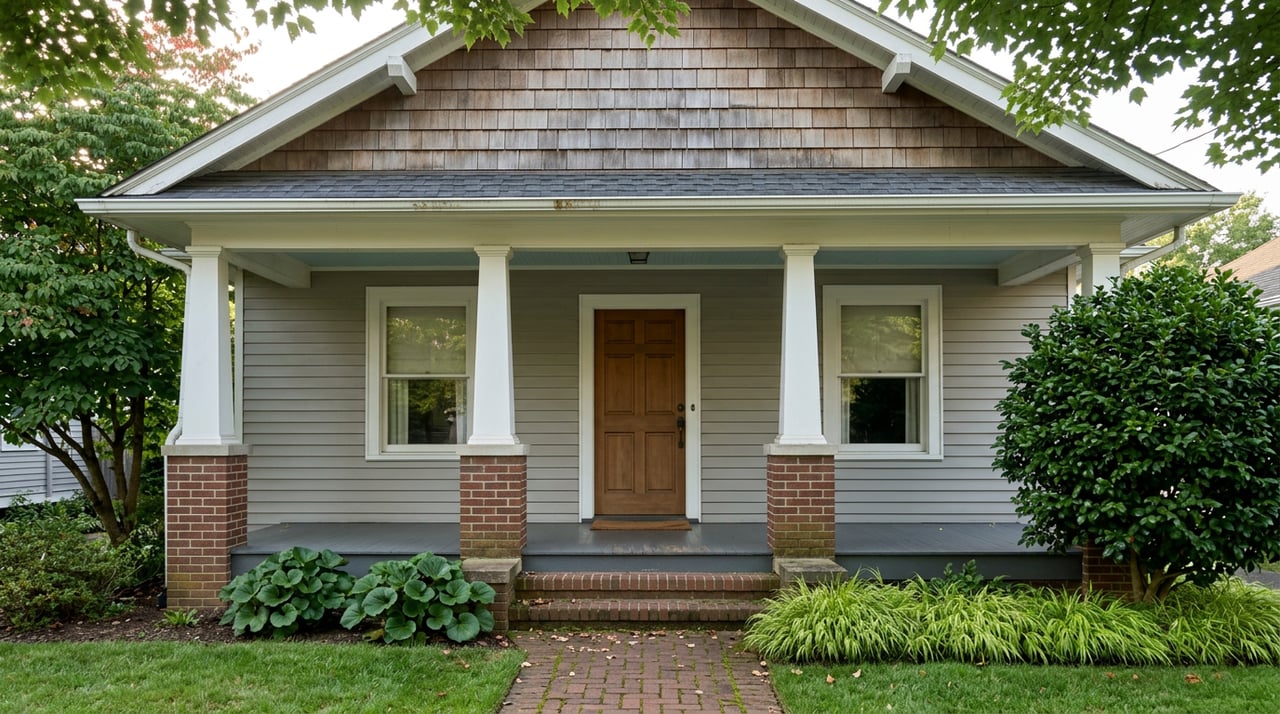
Historic homes tend to attract buyers because they feel distinct, not generic. Your goal is to highlight original character while addressing visible maintenance issues that can make buyers nervous.
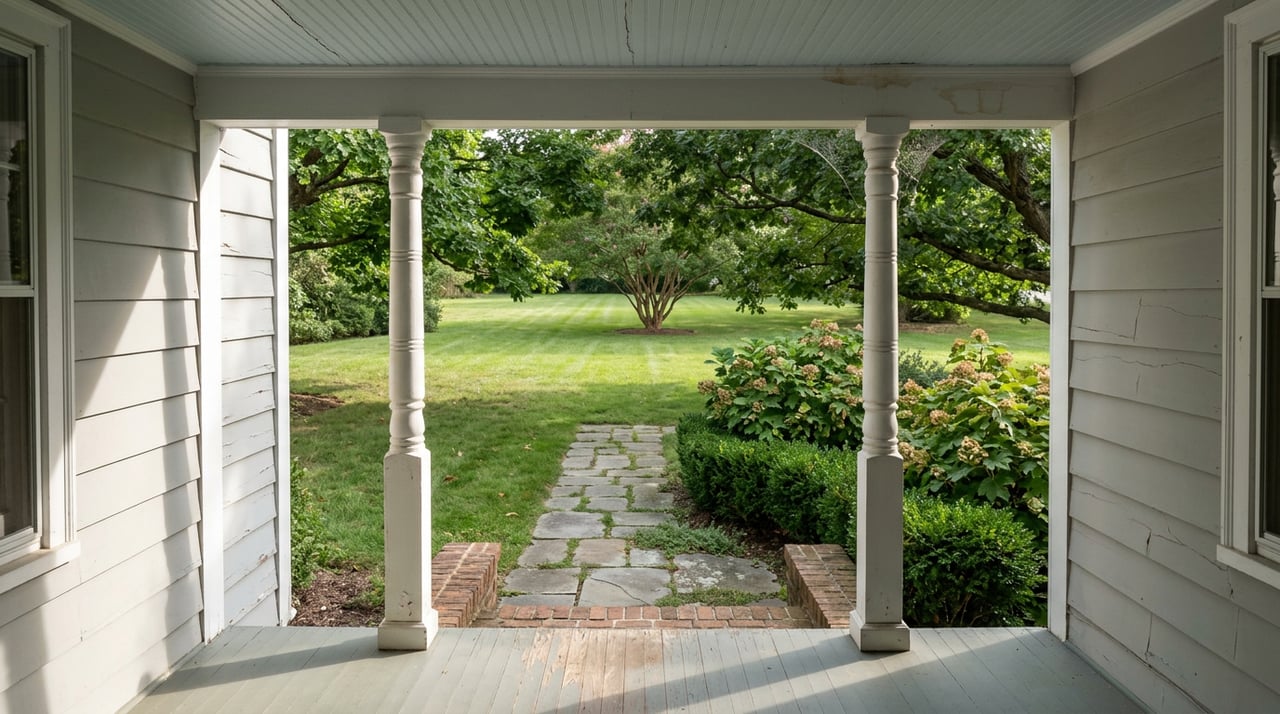
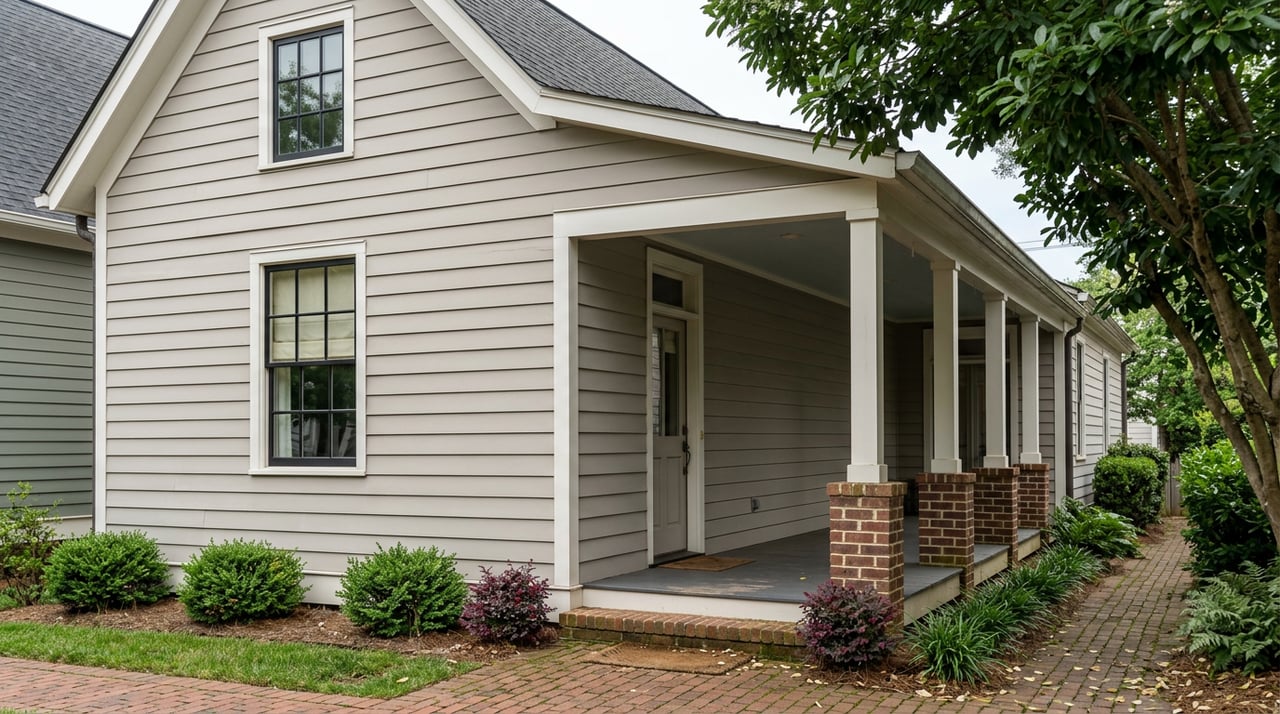
Town design standards favor repair and compatibility over replacement. They recommend retaining and preserving historic windows and materials, avoiding major changes to front porches or entrances, and avoiding substitute cladding like vinyl or aluminum over historic wood siding or masonry.
That means a pre-list repair plan should start with preservation-minded questions. Can an original feature be repaired instead of replaced? Will the proposed material fit the home’s historic appearance?
If windows are part of your project, be especially careful. Town standards say historic single-pane windows may be replaced with double-pane units only when other energy-efficiency methods are not feasible.
One of the fastest ways to lose buyer confidence is confusion around past work. If you have completed repairs, additions, or exterior alterations over the years, it is worth confirming whether those projects were properly approved and permitted.
For Hillsborough sellers, this is more than paperwork. Buyers often feel more comfortable making a strong offer when they can see that the home has been maintained thoughtfully and that major questions have already been addressed.
Orange County Building Inspections may also be part of the permit workflow for projects that needed county review. Before your home goes live, gather whatever records you have for exterior changes, system updates, roofing, plumbing, and similar work.
Older homes usually come with more history, and that can mean more disclosure items. In North Carolina, sellers of most one- to four-unit residential properties must provide the Residential Property and Owners’ Association Disclosure Statement before an offer is made.
Brokers also must disclose material facts that could affect a reasonable person’s decision. For a historic home, that makes it especially important to surface known leaks, system defects, permit gaps, or unpermitted alterations early rather than letting them appear during due diligence.
If your home was built before 1978, lead-based paint rules also matter. Sellers of most pre-1978 housing must disclose known lead-based paint hazards before contract, and renovation, repair, or painting that disturbs painted surfaces must follow lead-safe work practices.
Hillsborough’s utilities information adds another useful checkpoint. Homes built before 1987 may have a lead service line, so it is wise to identify older pipes, especially galvanized plumbing, using inspection reports or simple testing.
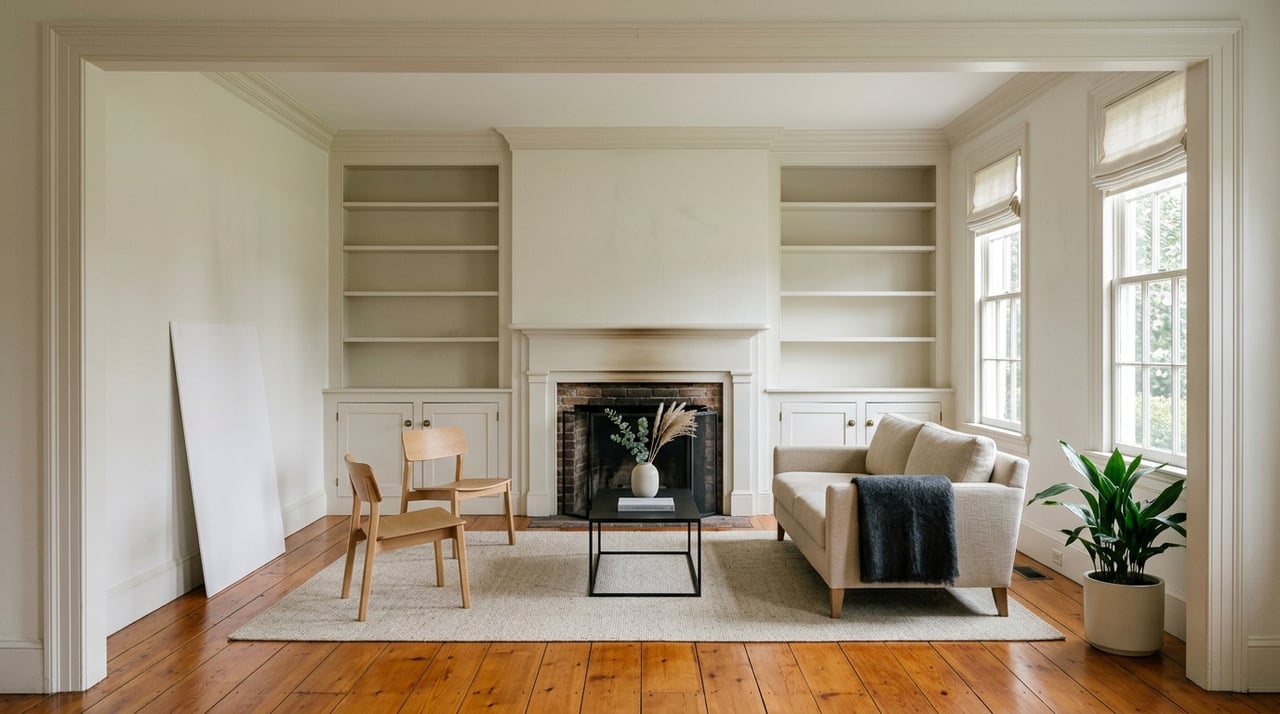
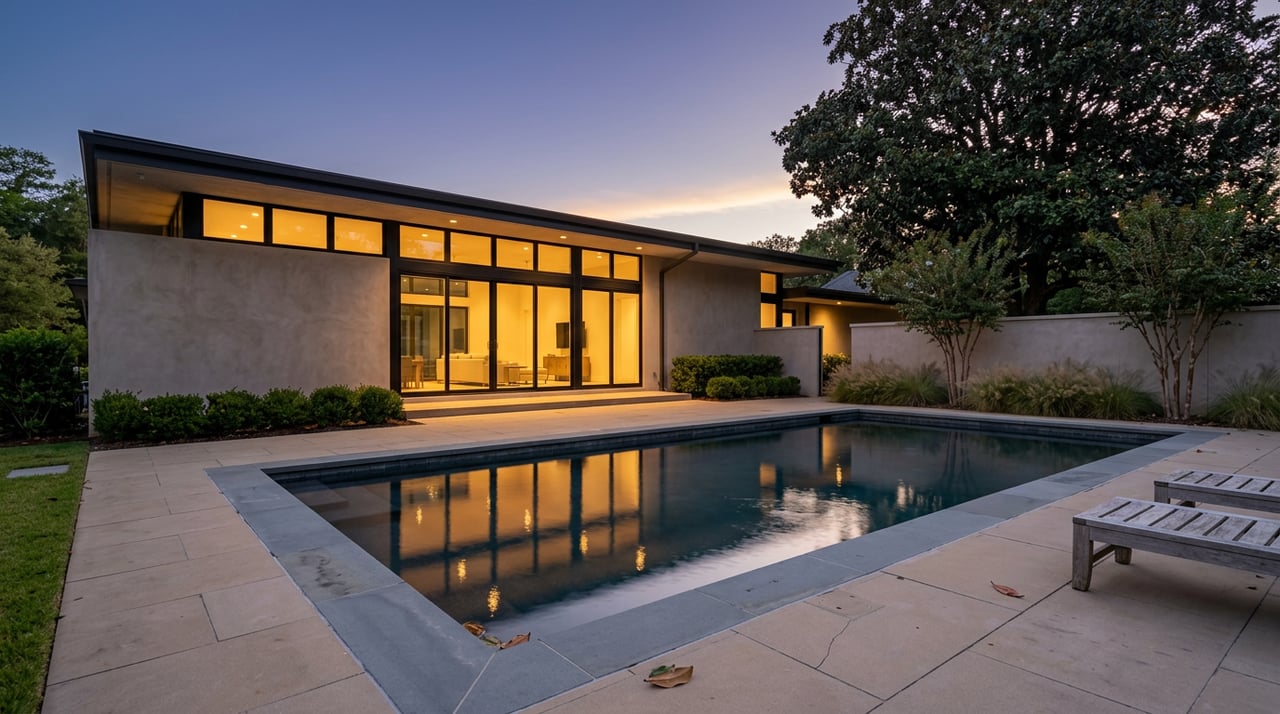
The best staging for a historic Hillsborough home does not try to erase its age. It helps buyers see the home as well cared for, functional, and easy to enjoy today.
That approach matters because staging clearly shapes buyer perception. In the 2025 Profile of Home Staging, 83 percent of buyers’ agents said staging made it easier for a buyer to visualize the property as a future home.
The same report found that the living room was the most important room to stage for buyers, followed by the primary bedroom and kitchen. It also showed that photos were especially influential, with 73 percent of buyers’ agents saying they were very or more important.
For you, that means the goal is not to fill every room. It is to create clean sight lines, show scale, and let details like original floors, trim, fireplaces, windows, or porch views stand out.
Most sellers do not need a dramatic makeover. The most common pre-list tasks were decluttering, whole-home cleaning, removing pets during showings, making minor repairs, painting, landscaping, and professional photos.
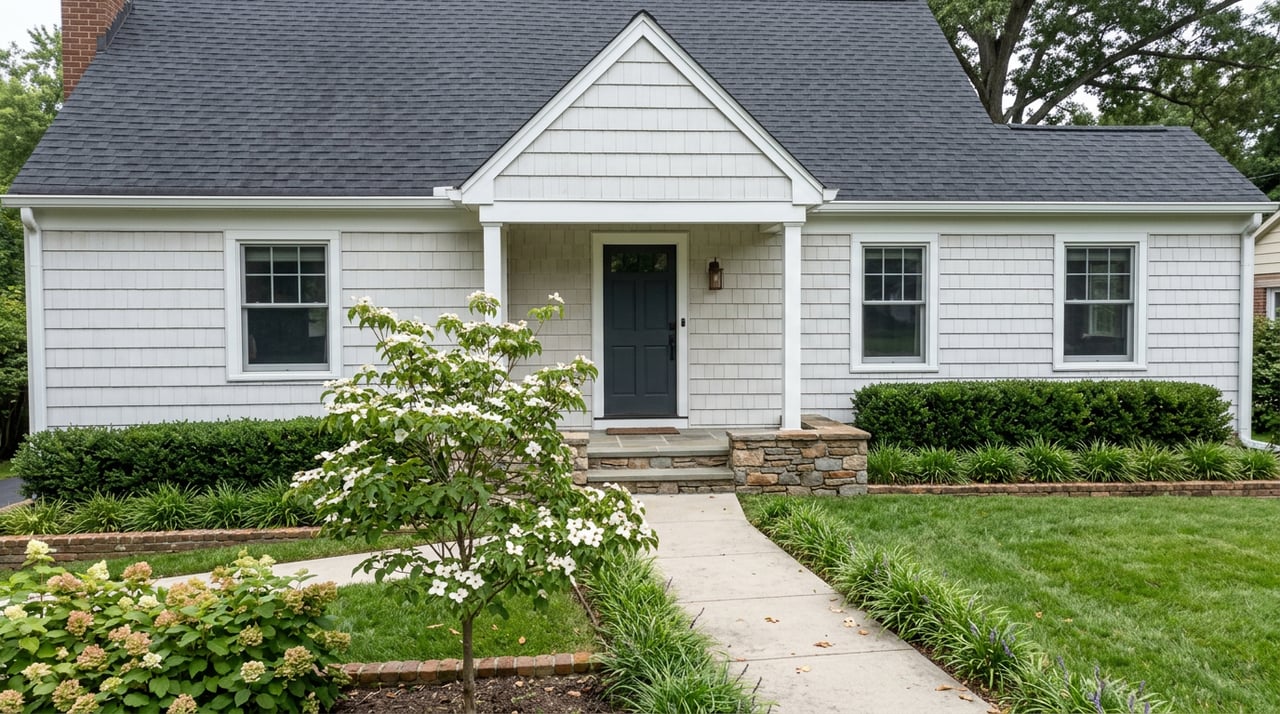
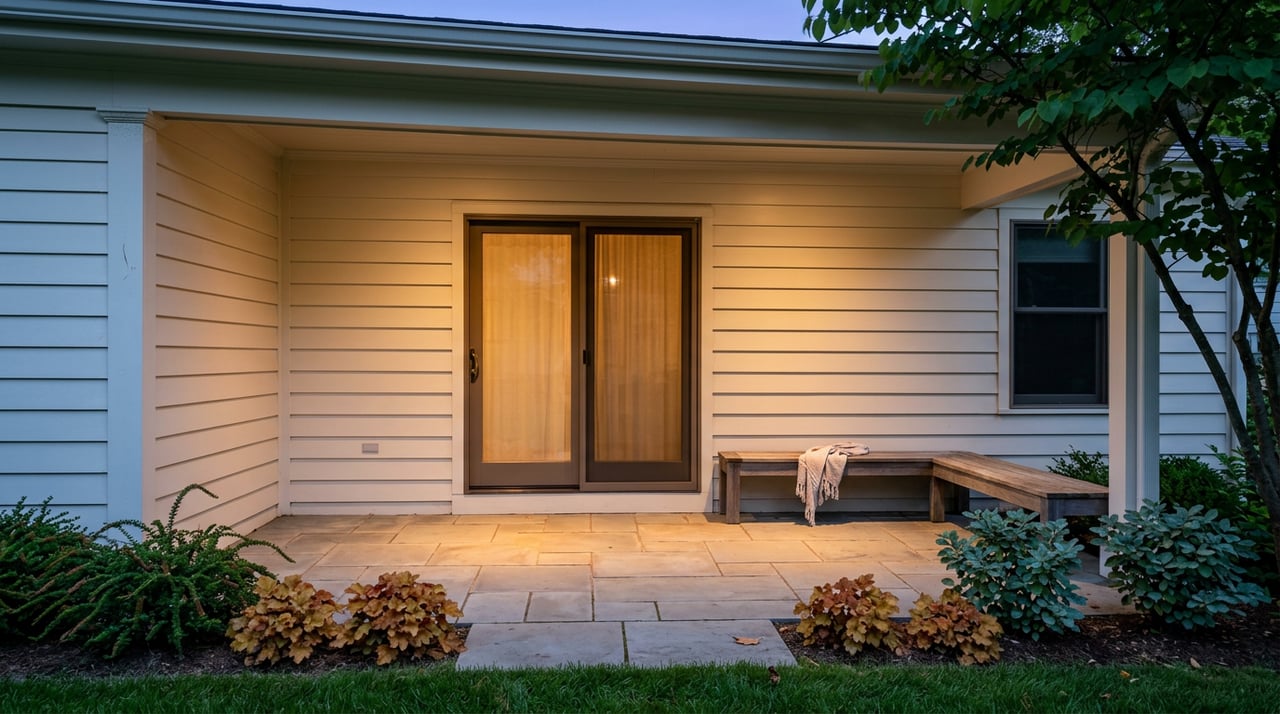
In a historic house, those basics often do the heavy lifting. Clean rooms feel brighter, fewer furnishings make architecture easier to appreciate, and simple landscaping can improve the first impression without changing the home’s historic character.
If you use a staging service, the 2025 report found a median spend of $1,500. When an agent personally staged the home, the median spend was $500.
The same report found that 19 percent of sellers’ agents saw a 1 percent to 5 percent increase in offers when homes were staged, and 30 percent saw a slight decrease in time on market. Those numbers are not a guarantee, but they show why thoughtful presentation is often worth the effort.
Historic buyers often fall in love online before they ever book a showing. That is especially important because buyers expected a median of 20 virtual showings before buying, compared with eight in-person showings.
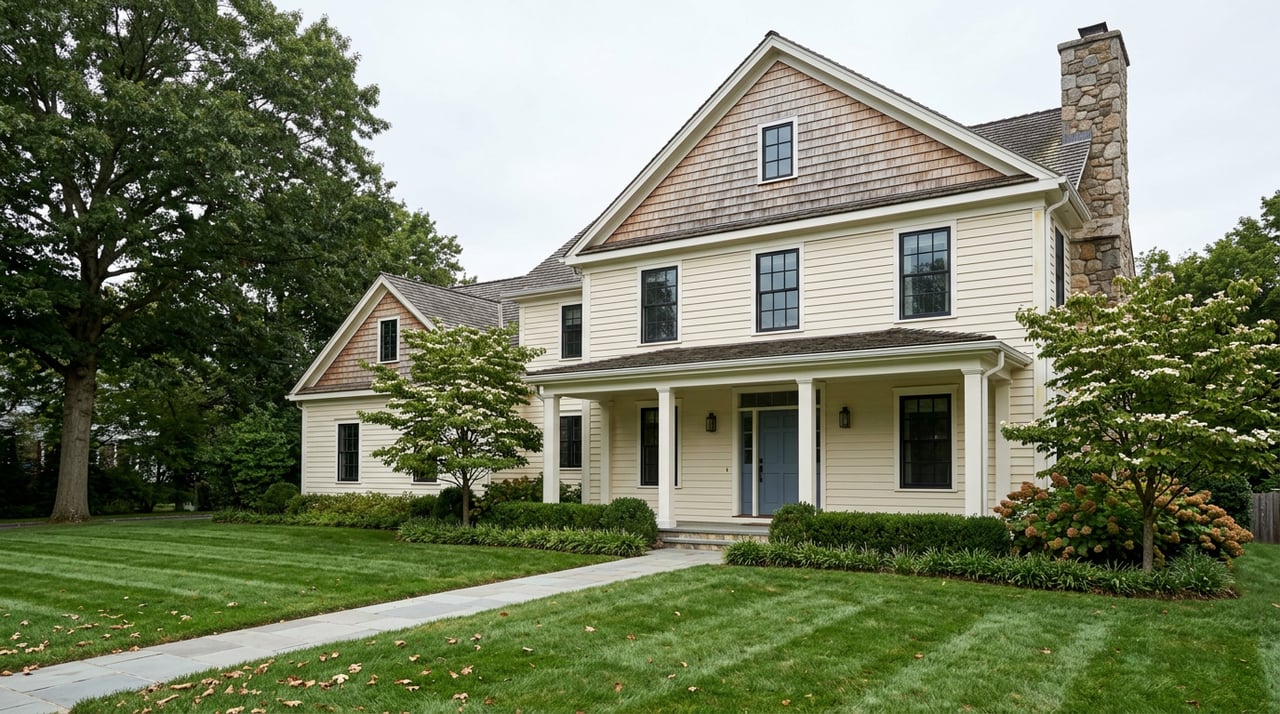
Strong photography can help your listing compete with newer homes across the Triangle. In today’s market, your home is not only competing with other Hillsborough listings. It is also being compared with options in nearby places like Durham and Chapel Hill.
As of May 2026, Hillsborough’s median sale price sat between Durham’s $424,746 and Chapel Hill’s $626,625. That suggests buyers may be weighing character, condition, and value across a broader regional search.
Newer homes often win on simplicity. Historic homes win when they feel cared for, well documented, and ready for the next owner.
That is why the highest-value prep work is usually the confidence-building kind. Fix deferred maintenance, organize records, verify permits, and avoid late exterior changes that could trigger review delays.
When a historic home combines preserved character with clean presentation and visible upkeep, it can stand out in a very practical way. Buyers may see not just charm, but a home that feels manageable and worth the price.
If you are preparing to sell a historic Hillsborough home, keep your focus on the steps that reduce friction and support a smoother launch.
A steady plan like this can help you avoid surprises and present your home with confidence.
Selling a historic home well takes more than taste. It takes local knowledge, careful timing, and a presentation strategy that respects what makes the property unique while making the process easier for buyers. If you are thinking about selling in Hillsborough, Pat Dillon Real Estate can help you create a thoughtful, staging-led plan that supports a strong market debut.

Schedule your free 30 minute consultation with Pat to learn more about the buying and selling process and how to get started!

PAT DILLON REAL ESTATE
(919) 368-4068
[email protected]
704 Slash Pine Dr
Cary NC 27519
308 W Main St Ste A
Durham NC 27701
Hours
8 AM - 6 PM