Step‑By‑Step Timeline for Selling a Home in Chapel Hill
February 5, 2026
February 5, 2026
Thinking about selling your Chapel Hill home but not sure how long it will take? You’re juggling prep, showings, paperwork, and a move, and timing each step matters. This guide gives you a practical, Chapel Hill specific timeline so you can plan with confidence and avoid last minute stress. You’ll see what to do each week, how long each phase typically takes, and where an experienced local agent makes your life easier. Let’s dive in.
Selling a home in Chapel Hill typically follows a predictable path. For most standard sales, you can expect about 6 to 12 weeks from the decision to list to handing over the keys, depending on prep and the buyer’s financing.
If you have a few months before your target list date, start now. An early walk through helps you choose the right projects and avoid permit or contractor delays. It also sets the stage for smart pricing.
Discuss the pricing strategy and your ideal list date. Consider local seasonality tied to the UNC Chapel Hill academic calendar, when many buyers look in late spring and summer. You do not have to time the market perfectly, but aligning with typical buyer activity can help.
Invite your agent for a pre listing consultation to flag repairs, paint touchups, and curb appeal opportunities. Decide where to focus for the best return and where to skip. If you anticipate surprises, consider a pre listing inspection to surface issues early.
Get bids for minor repairs, painting, landscaping, or staging. If any work needs permits, start those now so they do not delay launch. Keep receipts and permit documents together for the buyer’s file.
Begin North Carolina’s Residential Property and Owners’ Association Disclosure form. If your home was built before 1978, you will also complete the federal lead based paint disclosure. Gather utility information, appliance manuals, and records for recent improvements.
Confirm whether your property is on municipal water and sewer or has a septic system or well. Some Chapel Hill area homes use private systems, which can require inspections or disclosures that affect financing timelines. If you are in an HOA, note the process and fees for the resale document package.
With planning done, move into focused improvements that show the home at its best. Keep the scope realistic so you can launch on schedule.
Prioritize small repairs, paint touchups, and deep cleaning. Tidy storage areas, pantries, and closets to signal care and space. Aim for a neutral, light look that photographs well.
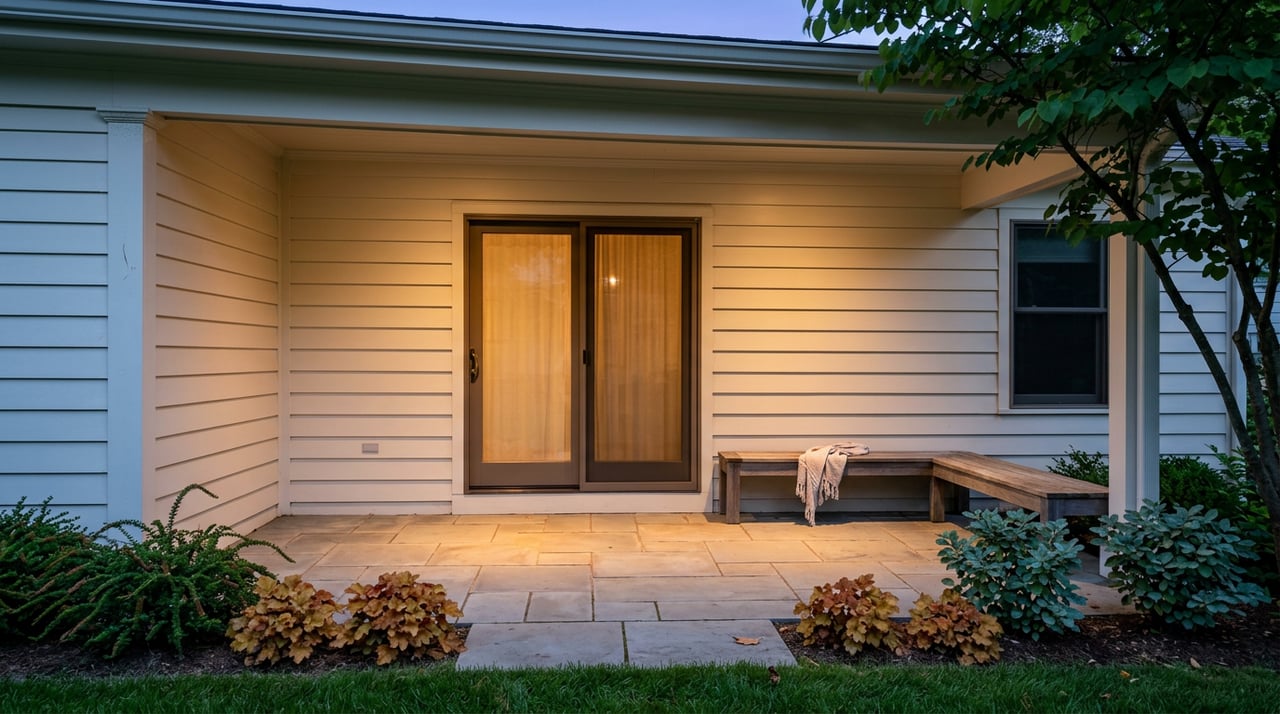
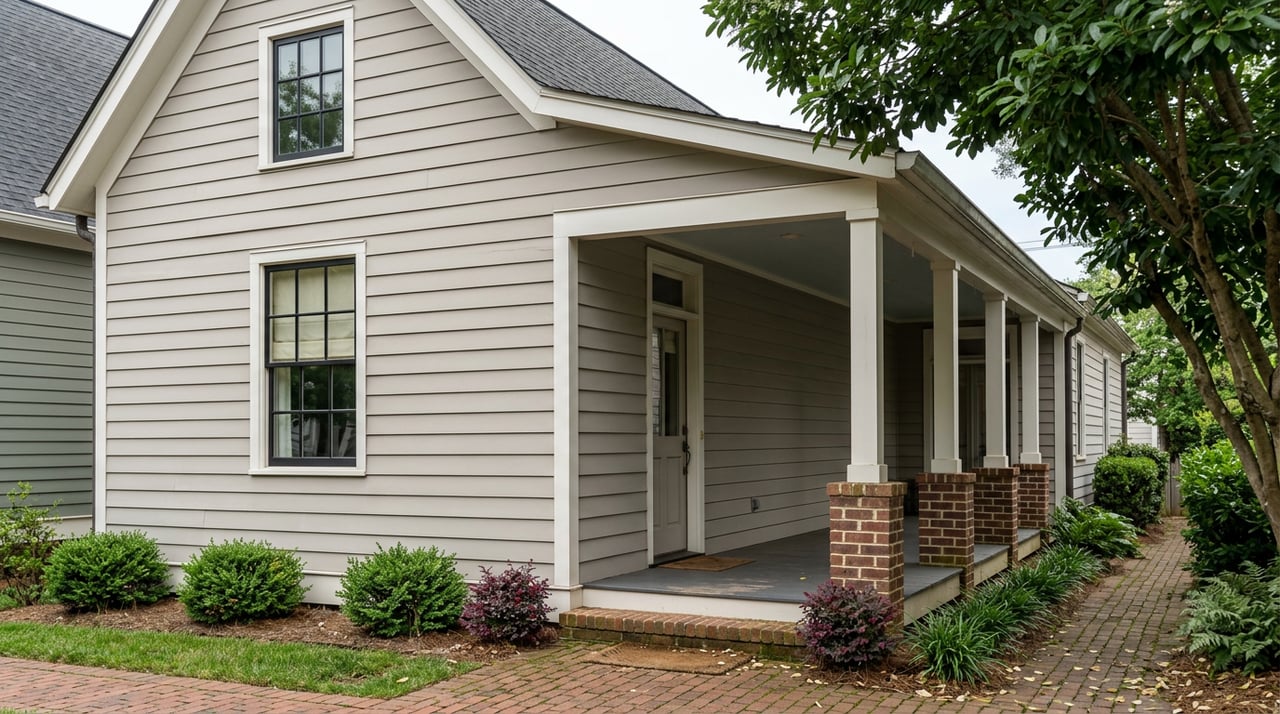
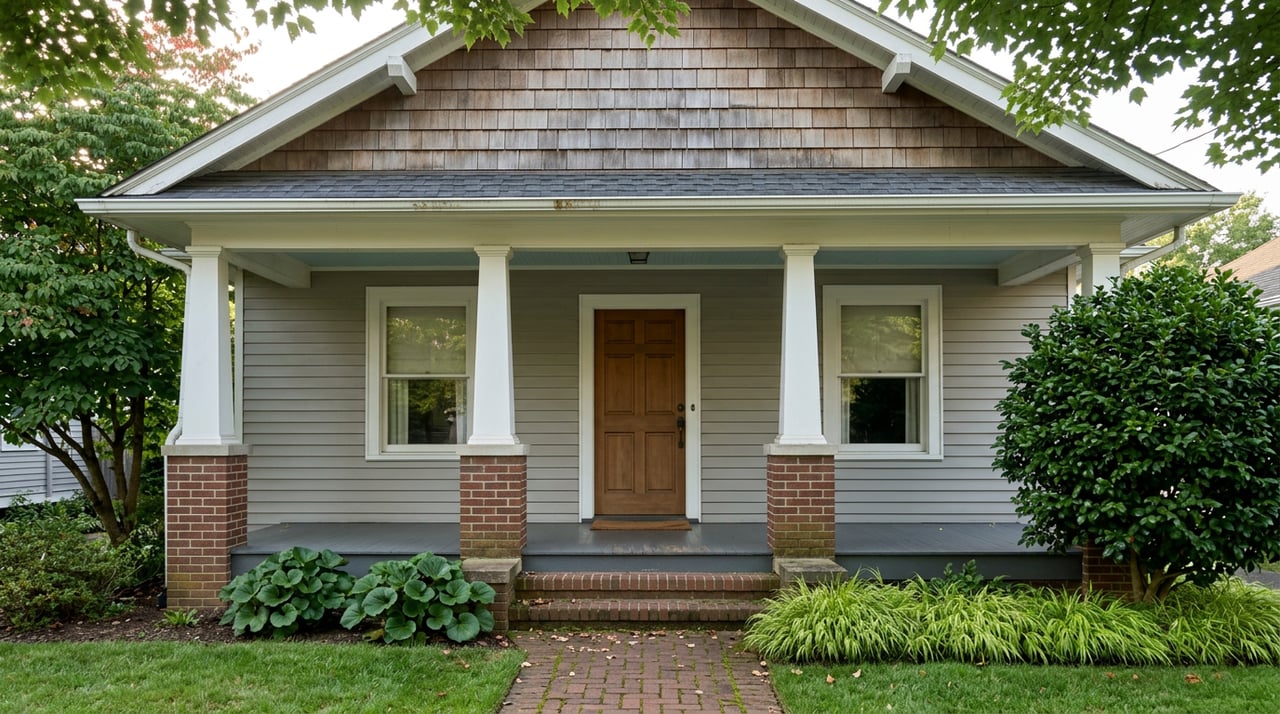
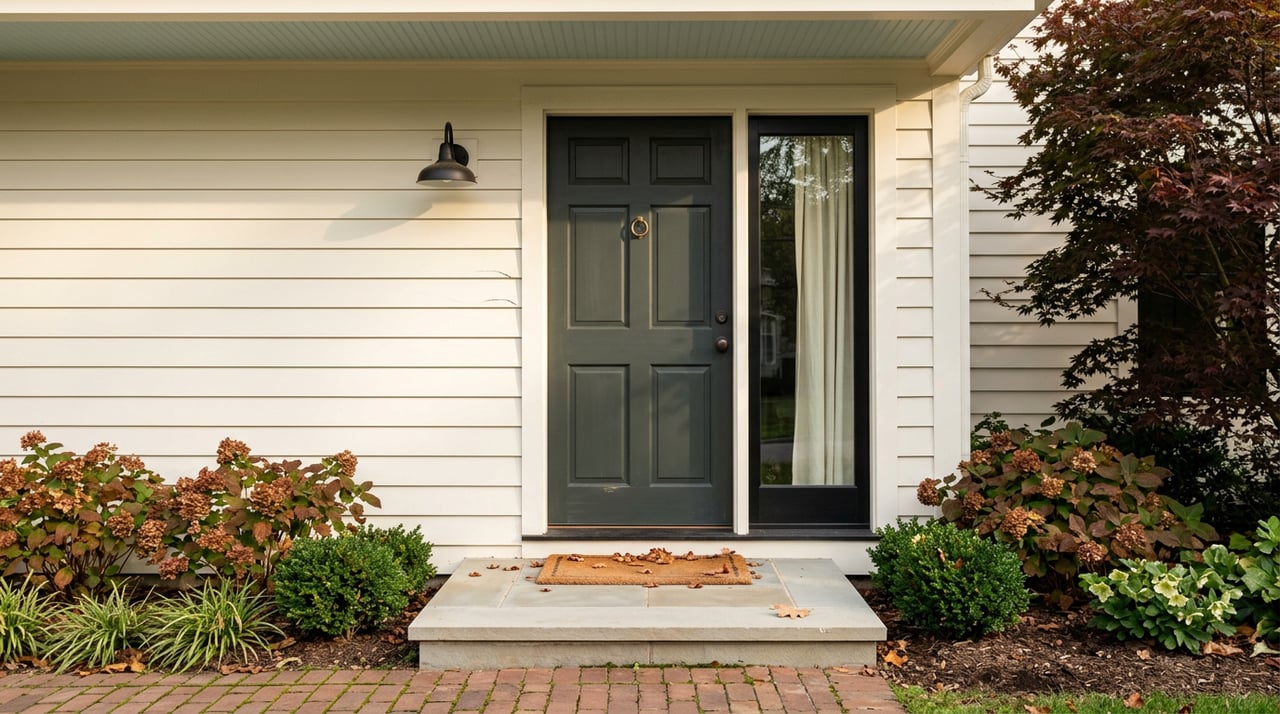
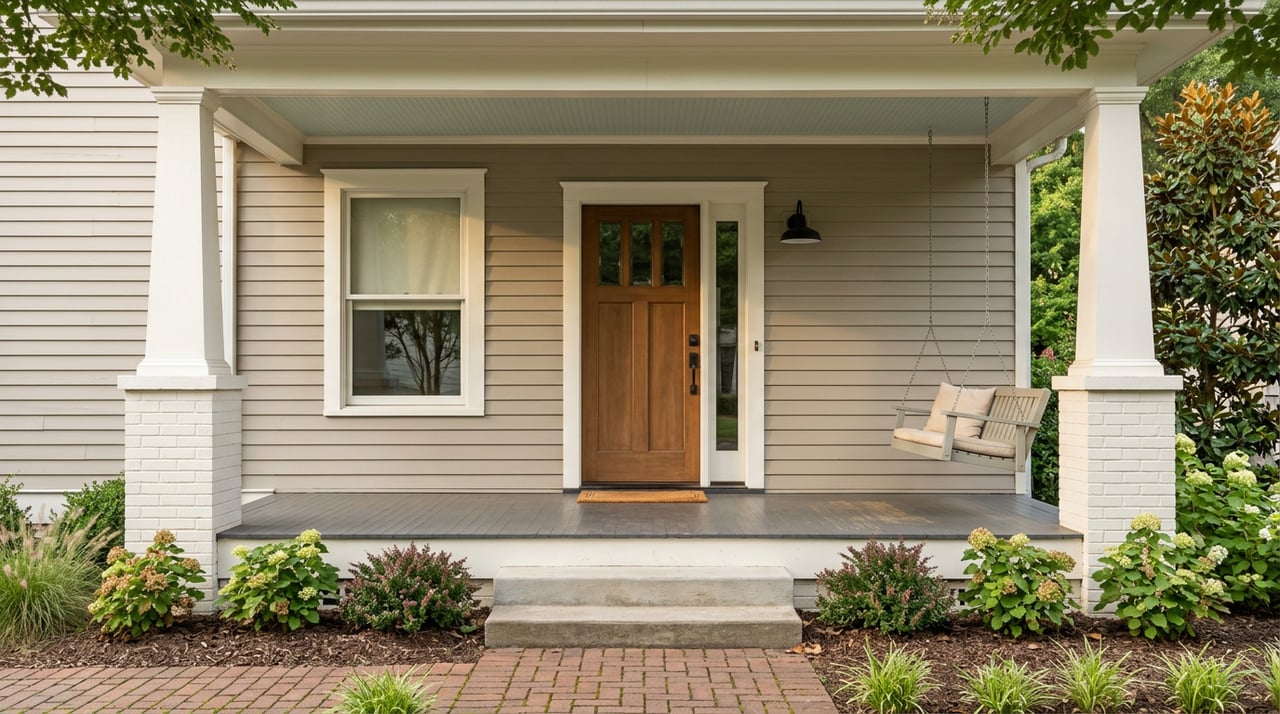
Fresh mulch, trimmed shrubs, seasonal flowers, and a clean entry make a strong first impression. Keep outdoor areas swept and inviting. A simple refresh can go a long way.
If you are using professional staging, schedule install 1 to 3 days before photography. In most markets, professional staging and high quality photos reduce time on market and can improve offer quality. Your agent can coordinate stagers, rental timing, and layout recommendations.
Complete your disclosure forms and compile receipts for maintenance, upgrades, and any permitted work. If you are in an HOA, request the disclosure packet early to avoid delays during the buyer’s due diligence.
This is go time. The goal is high quality marketing and a smooth showing plan.
Schedule professional photos, a floor plan, and, if useful, a video or 3D tour. Drone or twilight shots can be helpful for certain properties and may add 1 to 3 days. Do a final clean and staging tweak the day before photos.
Your agent prepares the MLS listing, marketing copy, and syndication. For maximum exposure, coordinate signage and a launch plan that fits your timeline. Keep your home showing ready once the listing is live.
Agree on showing windows that work for you. Electronic lockboxes and showing services make access easy and secure. If you have pets or a busy schedule, set a clear plan for fast tidy ups and temporary relocations.
Traffic and offers depend on pricing, presentation, and seasonality. In Chapel Hill’s university influenced market, well priced homes may see showings and offers within days to a few weeks.
After the first 7 to 14 days, review showing feedback and activity. Your agent can recommend small adjustments to pricing or presentation if needed. Stay flexible and focus on attracting strong offers.
Most offer and counteroffer activity happens within 1 to 14 days, often within a week. Typical response times are 24 to 72 hours unless otherwise set. Evaluate buyer strength along with price, due diligence timelines, and contingencies.
Once you accept an offer, plan for about 30 to 45 days to close for a financed buyer. Cash sales can close faster, often within 7 to 21 days if title and payoff work are straightforward.
Buyers usually schedule inspections within 7 to 10 days. You will review repair requests and decide on repairs or credits. Prompt decisions keep the timeline on track.
The lender typically orders the appraisal within the first 1 to 3 weeks. Provide a list of improvements and relevant comparable sales to support value. Appraisal reviews can add days, so stay communicative.
In North Carolina, closings are commonly handled by settlement attorneys or title companies. The attorney completes the title search, requests mortgage payoff statements, and prepares closing documents. Confirm deadlines in your state standard contract and keep all parties informed.
If applicable, your HOA may need to provide documents or statements, sometimes with fees. Request these early to prevent due diligence or closing delays. Your agent and closing attorney can help track status.
You are nearly there. Focus on clean handoff and logistics.
The buyer will complete a final walkthrough shortly before settlement to confirm the home’s condition and any agreed repairs. Keep receipts handy for proof of completed work. Tidy the home and remove all personal items per contract terms.
Coordinate utility transfers to the buyer’s name, effective on closing day. Confirm key exchange, garage remotes, and any access codes. Share manuals and maintenance notes to make the transition smooth.
At settlement, you will sign closing documents and the attorney will handle funding and recording. Handover keys as agreed. Recording can be the same day or within 1 to 3 days depending on logistics.
Chapel Hill’s university calendar influences buyer demand, especially late spring through summer. Aligning your list date with expected demand can help, though well prepared homes sell year round. Plan around campus events that affect traffic and availability.
Some properties in the Orange County outskirts may have wells or septic systems. These can require specific inspections or disclosures that affect financing. Verify your utility connections early so timelines stay realistic.
If work required permits, keep documentation organized. Unpermitted work can complicate closing and may require corrective action. Your agent can help you verify permit status with local offices.
A few simple steps can prevent delays and stress.
A strong listing partner keeps all the moving parts on track. Here is where an experienced Chapel Hill agent typically steps in.
Every sale is unique. Move up families often need coordinated buy sell timing and school year considerations. Relocating professionals and UNC affiliated households may be on tight timelines and need extra coordination. Many 55 plus sellers prefer a patient, step by step plan with trusted vendors. Your goals and your property drive the exact timeline.
Ready to map your dates and start prepping with a clear plan? Let’s talk through your goals, timing, and the best strategy for your home. Connect with Pat Dillon Real Estate to Schedule a free 30 minute consultation.

Schedule your free 30 minute consultation with Pat to learn more about the buying and selling process and how to get started!

PAT DILLON REAL ESTATE
(919) 368-4068
[email protected]
704 Slash Pine Dr
Cary NC 27519
308 W Main St Ste A
Durham NC 27701
Hours
8 AM - 6 PM